
The Collaboration Challenge Between Compliance and Operations Teams
In modern enterprises, effective governance depends not only on well-defined compliance frameworks but also on strong collaboration between compliance and […]

In modern enterprises, effective governance depends not only on well-defined compliance frameworks but also on strong collaboration between compliance and […]
In large enterprises, compliance is no longer a single-function responsibility managed through central oversight. Instead, it becomes a distributed operational
As organizations expand, operational structures often evolve into multi-unit environments where different departments, regions, or subsidiaries operate with varying degrees
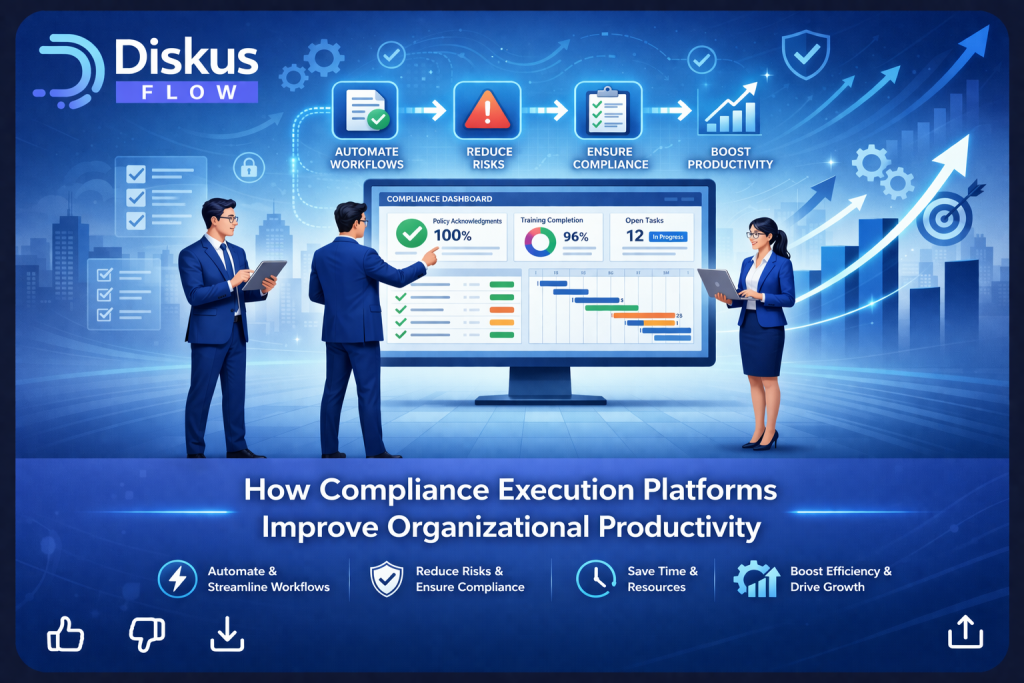
Compliance has traditionally been viewed as a necessary obligation that introduces operational friction. Organizations often associate regulatory requirements with increased

For many years, organizations viewed compliance primarily as a legal responsibility. Regulations were interpreted by legal teams, policies were drafted,

As organizations pursue growth, compliance functions must evolve to support increasing operational complexity and expanding regulatory expectations. What begins as

In modern enterprises, accountability is no longer defined solely by organisational hierarchy or managerial oversight. It is increasingly shaped by

Organisational stability is increasingly shaped by how effectively companies manage regulatory responsibilities. In complex business environments, governance execution must remain

In modern enterprises, compliance is no longer viewed solely as a regulatory obligation. It has evolved into a strategic function

Organizations rarely decide to adopt compliance technology because of a single regulatory event. The decision usually emerges gradually as operational