

In modern enterprises, accountability is no longer defined solely by organisational hierarchy or managerial oversight. It is increasingly shaped by how effectively responsibilities are assigned, tracked, and validated across operational processes. Compliance systems play a central role in strengthening organisational accountability by introducing structured execution frameworks that ensure governance obligations are consistently fulfilled. In earlier operational models, accountability for compliance was often informal. Teams relied on manual reporting, shared documentation, and periodic reviews to demonstrate regulatory alignment. While these methods could function in smaller environments, they became increasingly difficult to sustain as organizations expanded in scale and complexity. This transition...

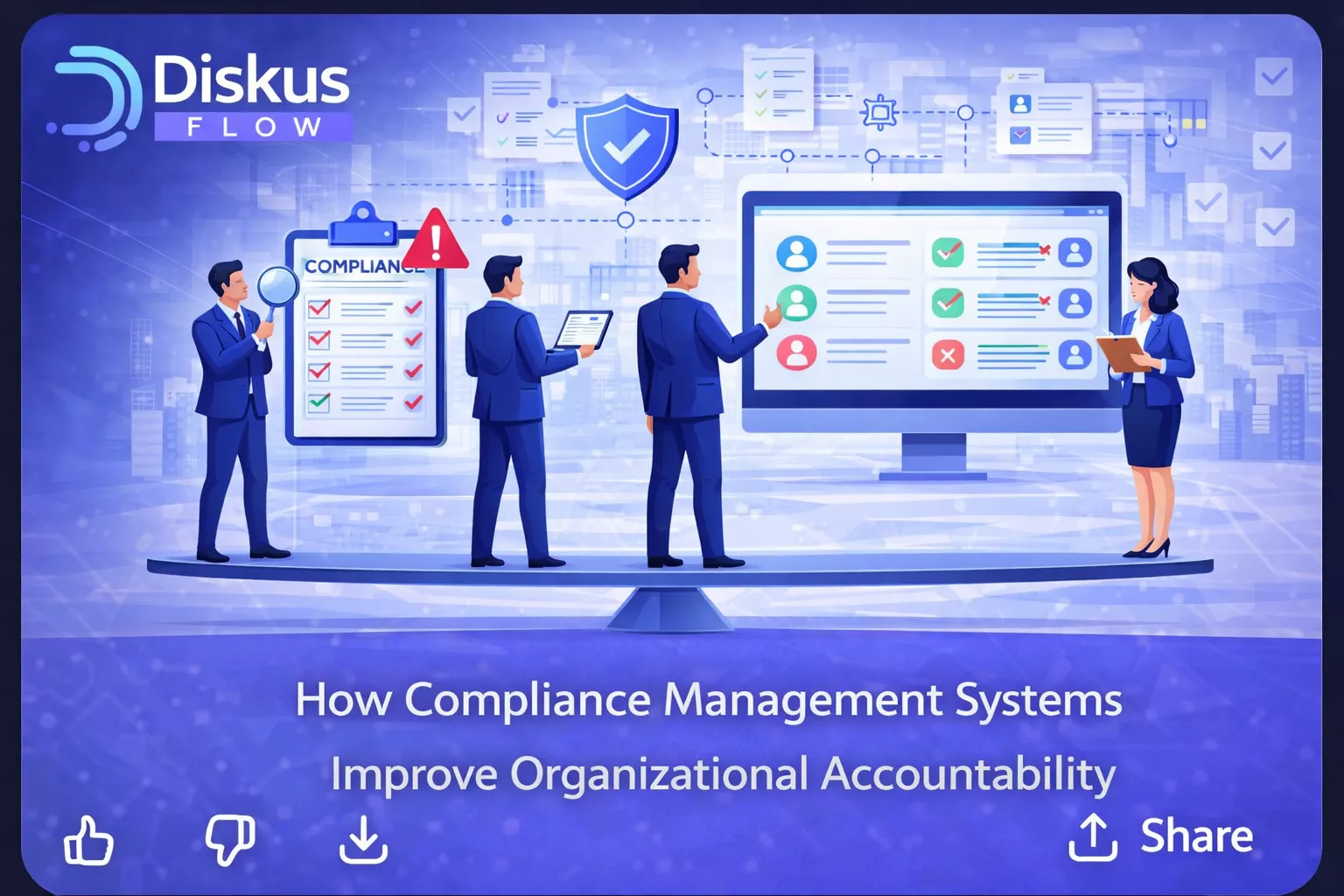
In modern enterprises, accountability is no longer defined solely by organisational hierarchy or managerial oversight. It is increasingly shaped by how effectively responsibilities are assigned, tracked, and validated across operational processes. Compliance systems play a central role in strengthening organisational accountability by introducing structured execution frameworks that ensure governance obligations are consistently fulfilled.
In earlier operational models, accountability for compliance was often informal. Teams relied on manual reporting, shared documentation, and periodic reviews to demonstrate regulatory alignment. While these methods could function in smaller environments, they became increasingly difficult to sustain as organizations expanded in scale and complexity.
This transition has led many enterprises to adopt structured solutions such as compliance management software to establish clearer accountability mechanisms and improve visibility into governance execution.
Structured Systems Clarify Responsibility Ownership
Compliance systems provide organizations with the ability to assign regulatory responsibilities in a systematic and transparent manner. By defining ownership at each stage of governance execution, enterprises can reduce ambiguity and ensure that compliance obligations are consistently addressed.
Key Accountability Improvements Enabled by Compliance Systems Include:
- Clear assignment of compliance tasks to specific individuals or teams
- Transparent tracking of execution progress across departments
- Standardised documentation of regulatory activities
- Enhanced oversight of governance performance metrics
These capabilities help organizations maintain consistent accountability even as operational complexity increases.
Execution Visibility Strengthens Governance Discipline
Accountability depends on the ability to monitor whether responsibilities are being fulfilled effectively. Compliance systems enhance governance discipline by providing continuous visibility into execution performance, allowing organizations to identify and address gaps proactively.
Enterprises often adopt platforms aligned with compliance workflow automation software capabilities to integrate compliance responsibilities into operational workflows. This integration ensures that governance tasks are embedded within routine business processes rather than treated as separate oversight activities.
By improving execution visibility, organizations can foster a culture of accountability that supports both regulatory adherence and operational efficiency.
Consistent Evidence Management Reinforces Accountability
One of the most critical aspects of organisational accountability is the ability to demonstrate compliance through reliable evidence. Compliance systems centralise documentation processes, enabling organizations to maintain consistent records of regulatory activities.
Execution-Driven Compliance Environments Support:
- Continuous capture and storage of governance evidence
- Standardised reporting structures for regulatory oversight
- Improved audit readiness through systematic documentation
- Enhanced transparency for leadership decision-making
Within this evolving governance landscape, platforms such as DiskusFlow illustrate how structured compliance execution infrastructures contribute to stronger organisational accountability.
Leadership Implications in Accountability Transformation
For executive teams, improving accountability through compliance systems represents a strategic investment in organisational resilience. Clear governance ownership structures enable leadership to manage risk more effectively and ensure that compliance responsibilities are aligned with business objectives.
Organizations that prioritise accountability through structured compliance execution frameworks are better positioned to maintain stakeholder trust, reduce regulatory exposure, and sustain long-term performance stability.
Conclusion
Compliance systems improve organisational accountability by providing the structure, visibility, and coordination required to manage governance responsibilities effectively. As enterprises continue to evolve in increasingly regulated environments, adopting scalable compliance execution systems will be essential for strengthening accountability, enhancing operational discipline, and supporting sustainable organisational growth.
Share this article on


