

As organizations pursue growth, compliance functions must evolve to support increasing operational complexity and expanding regulatory expectations. What begins as a centralised oversight activity often transforms into a distributed governance capability that must operate consistently across departments, geographies, and business units. Structuring compliance functions effectively is therefore essential for sustaining organisational stability during periods of expansion. In earlier stages, compliance teams typically focus on policy enforcement, audit readiness, and regulatory reporting. However, as organizations grow, governance responsibilities expand beyond these traditional roles. Compliance functions must adapt to manage continuous execution, coordinate cross-functional oversight, and maintain transparency into regulatory performance. This...

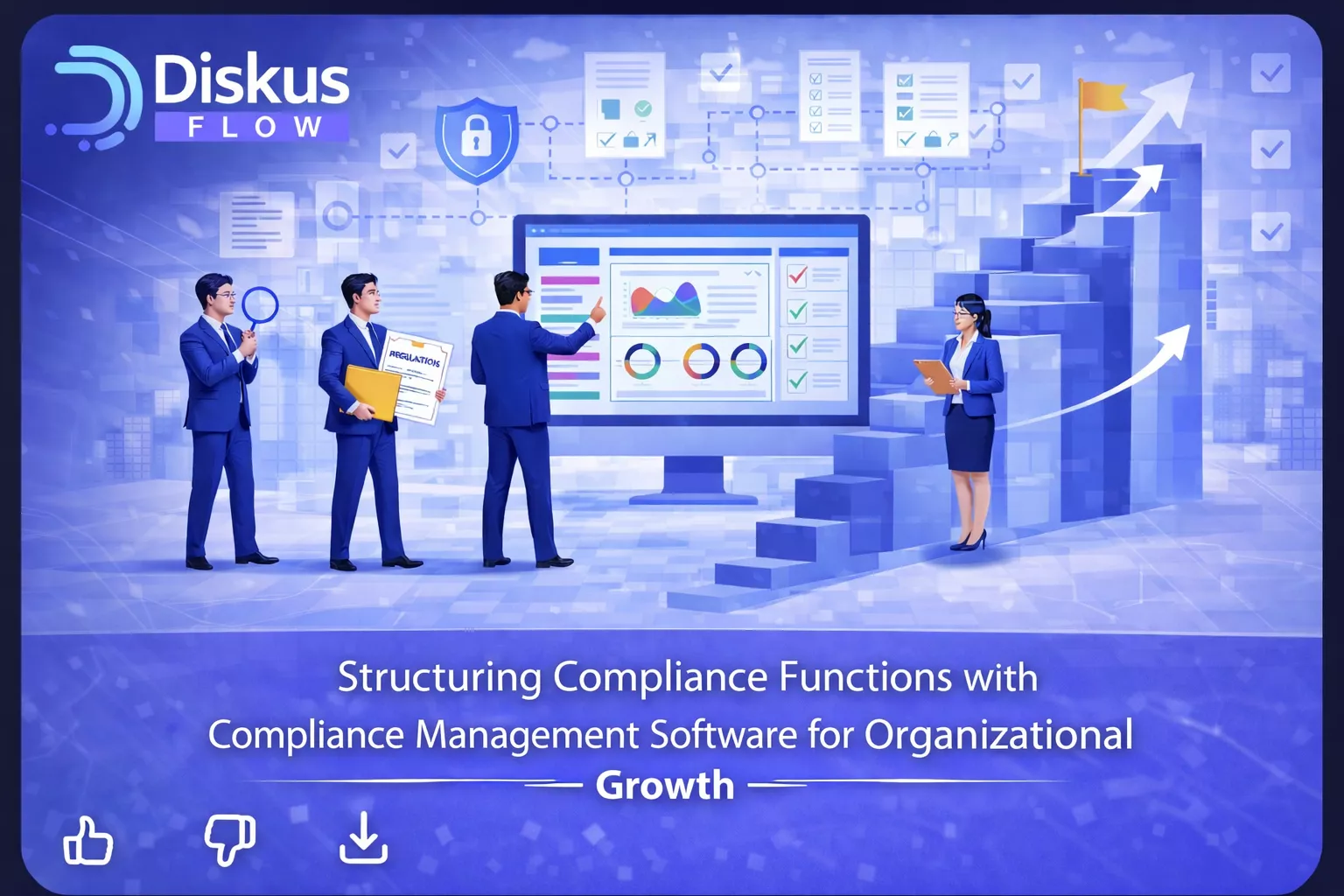
As organizations pursue growth, compliance functions must evolve to support increasing operational complexity and expanding regulatory expectations. What begins as a centralised oversight activity often transforms into a distributed governance capability that must operate consistently across departments, geographies, and business units. Structuring compliance functions effectively is therefore essential for sustaining organisational stability during periods of expansion.
In earlier stages, compliance teams typically focus on policy enforcement, audit readiness, and regulatory reporting. However, as organizations grow, governance responsibilities expand beyond these traditional roles. Compliance functions must adapt to manage continuous execution, coordinate cross-functional oversight, and maintain transparency into regulatory performance.
This is the stage at which many enterprises begin evaluating structured solutions such as enterprise compliance management software to align governance execution with organisational growth objectives.
Growth Introduces New Governance Coordination Challenges
As businesses expand, compliance functions must address a broader range of operational and regulatory demands. Without structured frameworks, growth can lead to fragmented governance practices and inconsistent execution.
Common structural challenges associated with organisational growth include:
- Expanding Scope Of Regulatory Obligations Across Markets
- Increased Need For Cross-Functional Compliance Coordination
- Greater Demand For Continuous Monitoring Of Governance Activities
- Complexity In Managing Compliance Responsibilities Across Teams
Addressing these challenges requires governance structures that balance central oversight with distributed accountability.
Organizational design influences compliance effectiveness
The way compliance functions are structured has a direct impact on governance performance. Centralised models may provide strong oversight but can struggle to support operational agility. Decentralised approaches may enable responsiveness but risk creating inconsistencies in compliance execution.
Enterprises frequently adopt systems aligned with compliance workflow integration platform capabilities to standardise governance processes while maintaining flexibility. This integration helps organizations coordinate compliance responsibilities across operational domains without constraining growth initiatives.
By aligning compliance structure with organisational design, enterprises can sustain governance performance as complexity increases.
Execution-Driven Frameworks Support Scalable Compliance
Effective compliance structuring requires systems that enable continuous execution visibility and accountability transparency. Execution-driven compliance environments provide organizations with the ability to monitor governance performance in real time and adapt processes as operational demands evolve.
Such Frameworks Support:
- Systematic Assignment And Tracking Of Compliance Responsibilities
- Improved Coordination Between Compliance And Operational Teams
- Centralised Evidence Management For Regulatory Assurance
- Enhanced Readiness For Audits And Regulatory Reviews
Within this evolving governance landscape, platforms such as DiskusFlow illustrate how integrated compliance execution infrastructures enable organizations to align governance structures with growth strategies.
Leadership Implications in Structuring Compliance Functions
For executive teams, structuring compliance functions is a strategic decision that influences organisational resilience and long-term performance. Governance frameworks must be designed to support scalability while maintaining regulatory alignment and stakeholder confidence.
Organizations that invest in structured compliance execution systems are better positioned to manage growth-related risks, strengthen accountability, and sustain operational stability.
Conclusion
Structuring compliance functions for organisational growth requires a shift from traditional oversight models to execution-driven governance frameworks. By adopting scalable compliance structures and integrating governance responsibilities into operational workflows, enterprises can support expansion while maintaining regulatory confidence and long-term organisational resilience.
Share this article on


