

Compliance has traditionally been viewed as a necessary obligation that introduces operational friction. Organizations often associate regulatory requirements with increased administrative workload, delayed decision-making, and resource constraints. However, this perception is changing as enterprises recognise that structured compliance execution can enhance operational efficiency rather than hinder it. Modern governance models are shifting toward integrated infrastructures such as compliance execution software, which enables organizations to align regulatory responsibilities with business processes. By embedding compliance into workflow environments, enterprises can reduce inefficiencies and improve coordination across functions. Productivity Challenges in Traditional Compliance Models In many organizations, compliance activities remain fragmented. Teams rely...

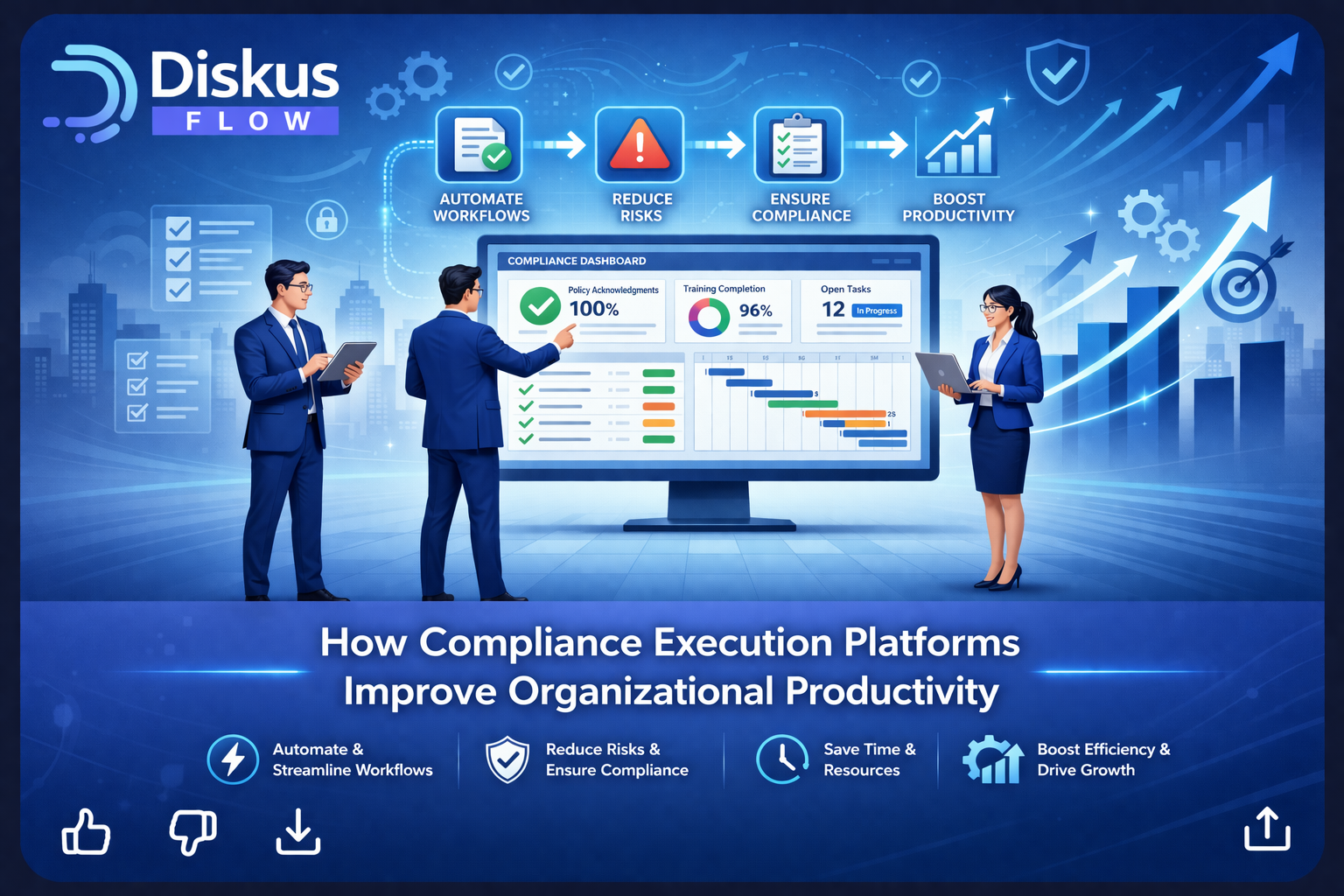
Compliance has traditionally been viewed as a necessary obligation that introduces operational friction. Organizations often associate regulatory requirements with increased administrative workload, delayed decision-making, and resource constraints. However, this perception is changing as enterprises recognise that structured compliance execution can enhance operational efficiency rather than hinder it.
Modern governance models are shifting toward integrated infrastructures such as compliance execution software, which enables organizations to align regulatory responsibilities with business processes. By embedding compliance into workflow environments, enterprises can reduce inefficiencies and improve coordination across functions.
Productivity Challenges in Traditional Compliance Models
In many organizations, compliance activities remain fragmented. Teams rely on manual tracking methods, disconnected reporting structures, and ad hoc coordination mechanisms. These approaches often result in duplicated effort, delayed execution, and limited visibility into governance performance.
Fragmented Compliance Processes Can Create Several Productivity Barriers:
- Excessive time spent on documentation consolidation
- Repeated communication cycles between departments
- Inefficient allocation of governance resources
- Operational disruptions during audit preparation
As regulatory complexity increases, these inefficiencies can have a significant impact on organisational performance.
Execution Driven Compliance Enhances Operational Alignment
Execution focused compliance platforms enable organizations to integrate governance tasks into operational workflows. This integration reduces reliance on separate compliance processes and ensures that regulatory responsibilities are addressed as part of routine business activities.
Structured infrastructures aligned with enterprise compliance workflow software principles help organizations:
- Assign compliance responsibilities clearly across teams
- Monitor execution progress continuously
- Maintain centralised evidence repositories
- Improve coordination between governance and operational functions
By aligning compliance execution with workflow systems, organizations can streamline processes and reduce administrative burden.
The Productivity Impact of Continuous Compliance Visibility
Real time visibility into compliance performance supports more efficient decision making. Leadership teams can identify execution bottlenecks, allocate resources strategically, and address governance risks before they escalate.
Continuous Compliance Visibility Contributes To:
- Reduced operational disruption during audits
- Faster response to regulatory change
- Improved accountability transparency
- More stable governance performance
These outcomes enhance organisational productivity while strengthening regulatory confidence.
Compliance Execution as a Driver of Organizational Resilience
In dynamic business environments, organizations must balance regulatory adherence with the need for agility. Execution driven compliance models support this balance by embedding governance responsibilities into operational systems rather than treating them as external constraints.
Within this evolving governance landscape, platforms such as DiskusFlow illustrate how organizations are redefining compliance execution as a strategic operational capability. By prioritising workflow integration and accountability coordination, enterprises can achieve more sustainable governance outcomes.
Leadership Considerations in Productivity-Focused Compliance Strategies
Executive teams must recognise that compliance transformation is closely linked to operational efficiency. Investing in structured execution infrastructures can deliver long-term productivity benefits by reducing governance complexity and improving coordination across departments.
Organizations that integrate compliance execution into workflow design are better positioned to maintain regulatory adherence while supporting business growth and innovation.
Conclusion
Compliance execution platforms are reshaping how organizations manage regulatory responsibilities. By embedding governance tasks into operational workflows and enhancing execution visibility, enterprises can transform compliance from an administrative burden into a productivity enabler.
As regulatory environments continue to evolve, organizations that adopt execution driven compliance models will be better equipped to achieve sustainable performance, maintain stakeholder trust, and strengthen long-term resilience.
Share this article on


