

In modern enterprises, effective governance depends not only on well-defined compliance frameworks but also on strong collaboration between compliance and operational teams. As organizations grow and regulatory expectations intensify, the alignment between these functions becomes increasingly critical. However, differences in priorities, workflows, and performance objectives often create challenges that can weaken compliance execution. Traditionally, compliance teams focused on regulatory interpretation and oversight, while operational teams concentrated on execution efficiency and business outcomes. As regulatory environments evolve, this separation becomes less sustainable. Organizations must ensure that governance responsibilities are embedded within operational processes to maintain consistency and resilience. This is the...

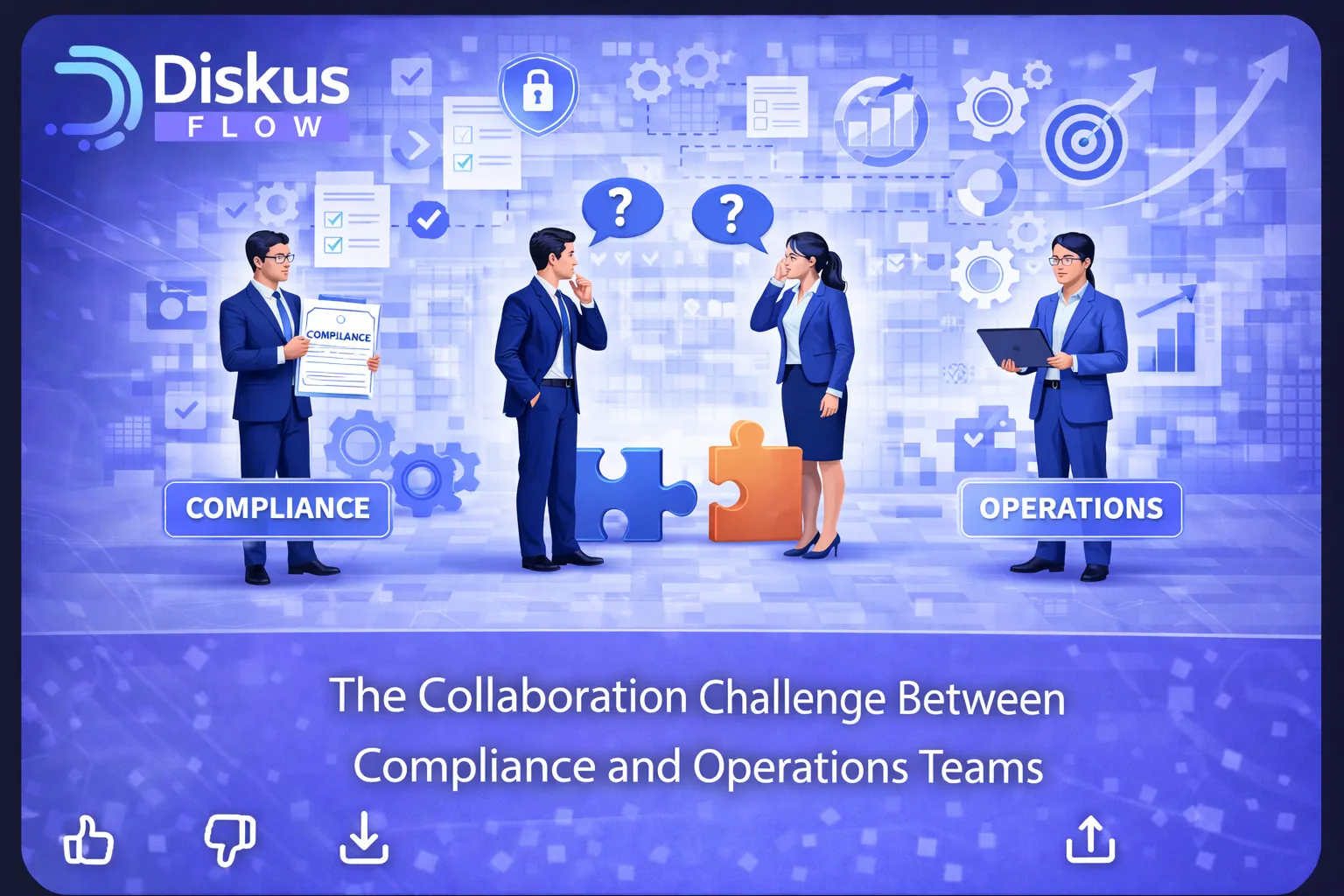
In modern enterprises, effective governance depends not only on well-defined compliance frameworks but also on strong collaboration between compliance and operational teams. As organizations grow and regulatory expectations intensify, the alignment between these functions becomes increasingly critical. However, differences in priorities, workflows, and performance objectives often create challenges that can weaken compliance execution.
Traditionally, compliance teams focused on regulatory interpretation and oversight, while operational teams concentrated on execution efficiency and business outcomes. As regulatory environments evolve, this separation becomes less sustainable. Organizations must ensure that governance responsibilities are embedded within operational processes to maintain consistency and resilience.
This is the stage at which many enterprises begin exploring structured solutions, such as Compliance operations coordination software, to improve integration between governance and operational functions.
Differing Priorities Create Coordination Friction:
Compliance and operations teams often operate under distinct performance metrics and timelines. While compliance emphasises risk mitigation and regulatory alignment, operations prioritise efficiency, productivity, and delivery targets.
Common Collaboration Challenges Include:
- Misalignment Between Regulatory Requirements And Operational Workflows
- Limited Understanding Of Compliance Implications Within Operational Teams
- Delayed Communication Between Governance And Execution Functions
- Inconsistent Integration Of Compliance Tasks Into Daily Operations
Without structured coordination mechanisms, these differences can lead to execution gaps that increase regulatory exposure.
Operational Integration Strengthens Governance Performance
Improving collaboration between compliance and operations requires governance frameworks that align regulatory responsibilities with business processes. Structured compliance systems enable organizations to embed governance tasks into operational workflows, reducing friction and improving execution consistency.
Enterprises frequently adopt platforms aligned with compliance workflow integration platform capabilities to ensure that compliance activities are coordinated systematically across functions. This integration supports greater accountability and transparency while preserving operational agility.
By aligning compliance execution with operational priorities, organizations can maintain governance stability without compromising business performance.
Execution Visibility Improves Cross-Functional Accountability
Effective collaboration depends on clear visibility into compliance performance. When operational teams understand how governance responsibilities affect their workflows, they can contribute more effectively to regulatory alignment.
Execution-Driven Compliance Environments Support:
- Continuous Coordination Between Compliance And Operational Stakeholders
- Real-Time Visibility Into Governance Execution Progress
- Systematic Documentation Of Compliance Activities
- Enhanced Readiness For Regulatory Reviews And Internal Audits
Within this evolving governance landscape, platforms such as DiskusFlow illustrate how integrated compliance execution infrastructures enable stronger collaboration across enterprise functions.
Leadership Implications in Cross-Functional Governance
For executive teams, fostering collaboration between compliance and operations is essential for sustaining organisational resilience. Governance strategies must prioritise integration rather than treating compliance as a separate oversight function.
Organizations that invest in structured compliance execution systems are better positioned to reduce operational friction, improve risk management effectiveness, and maintain stakeholder confidence.
Conclusion
The collaboration challenge between compliance and operations reflects the growing need for integrated governance execution frameworks. By aligning compliance responsibilities with operational workflows and enhancing execution visibility, organizations can strengthen coordination, reduce regulatory risk, and support sustainable organisational performance.
Share this article on


