
Why Compliance Failures Often Originate from Execution Gaps
Compliance failures are rarely the result of missing policies or unclear regulatory guidance. In most organizations, governance frameworks are well […]

Compliance failures are rarely the result of missing policies or unclear regulatory guidance. In most organizations, governance frameworks are well […]
Regulatory expansion is one of the most powerful forces reshaping how modern organizations manage governance responsibilities. As industries become more
In modern enterprises, the role of compliance leaders is undergoing a significant transformation. Once primarily responsible for ensuring regulatory adherence
Digital transformation is redefining how organizations operate, innovate, and compete. While new technologies enable efficiency and scalability, they also introduce

Boards have traditionally relied on compliance reports to understand organisational risk exposure. These reports summarise control effectiveness, regulatory developments, and
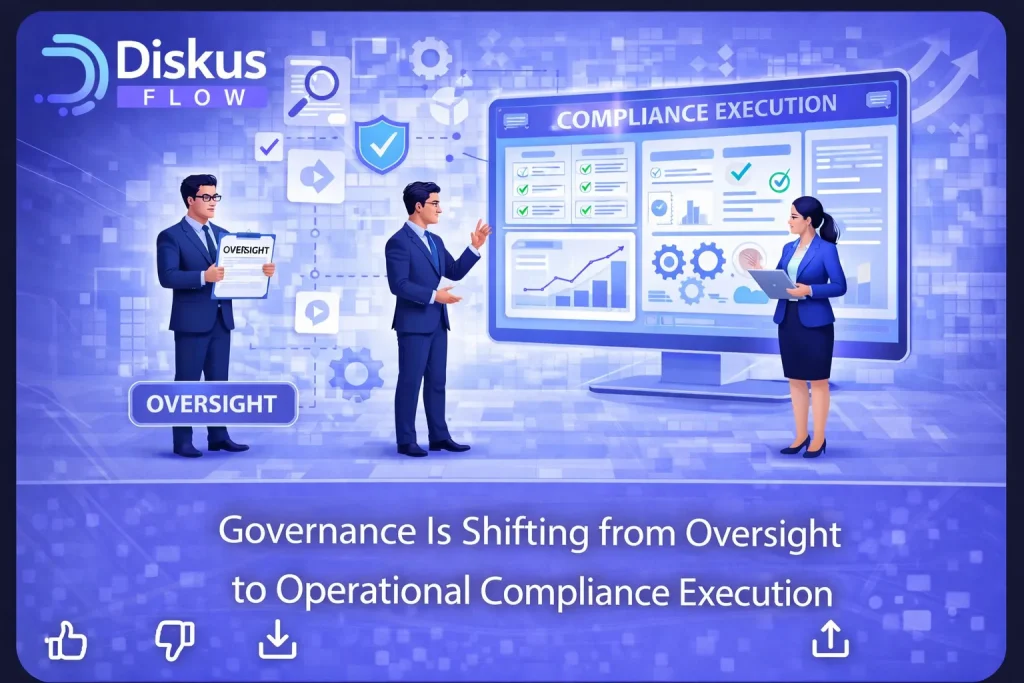
For years, corporate governance has been largely defined by oversight. Boards reviewed compliance reports, risk teams assessed regulatory exposure, and
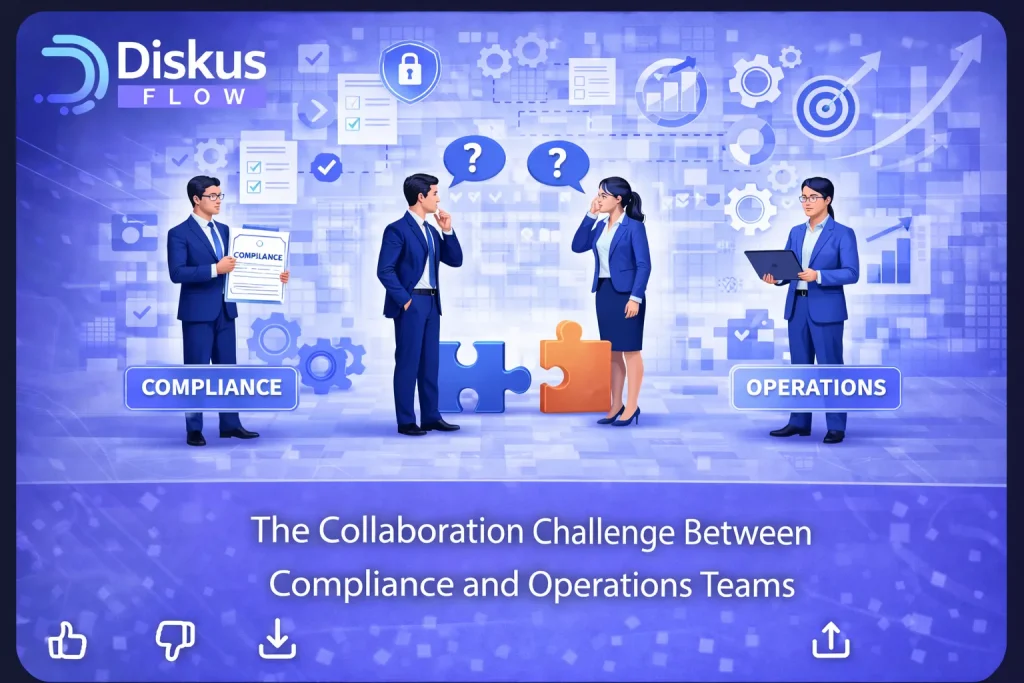
In modern enterprises, effective governance depends not only on well-defined compliance frameworks but also on strong collaboration between compliance and
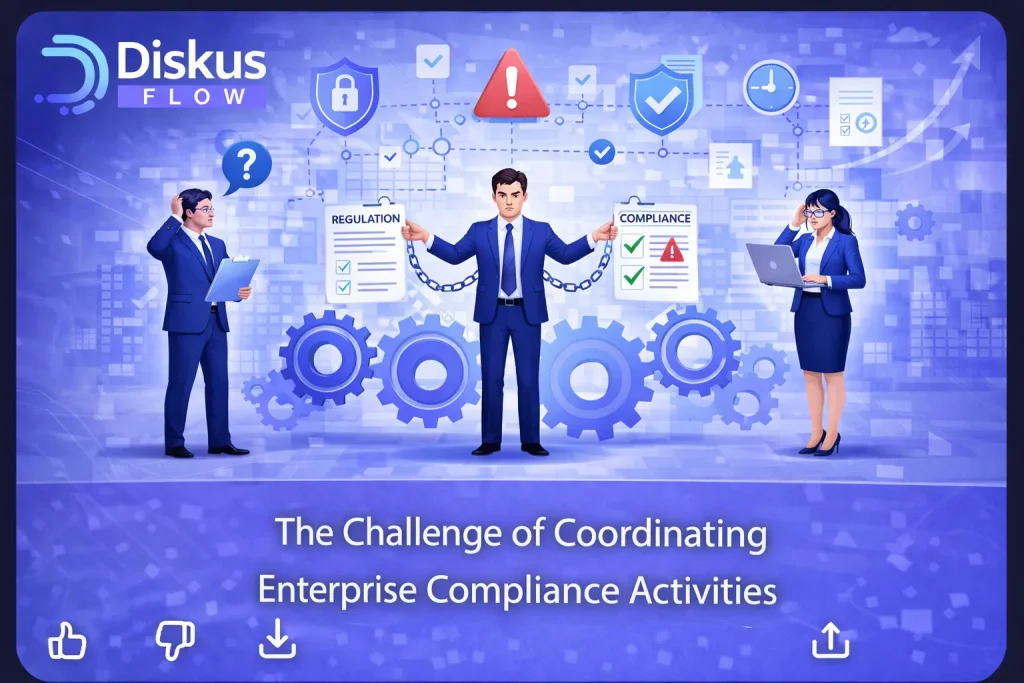
In large enterprises, compliance is no longer a single-function responsibility managed through central oversight. Instead, it becomes a distributed operational
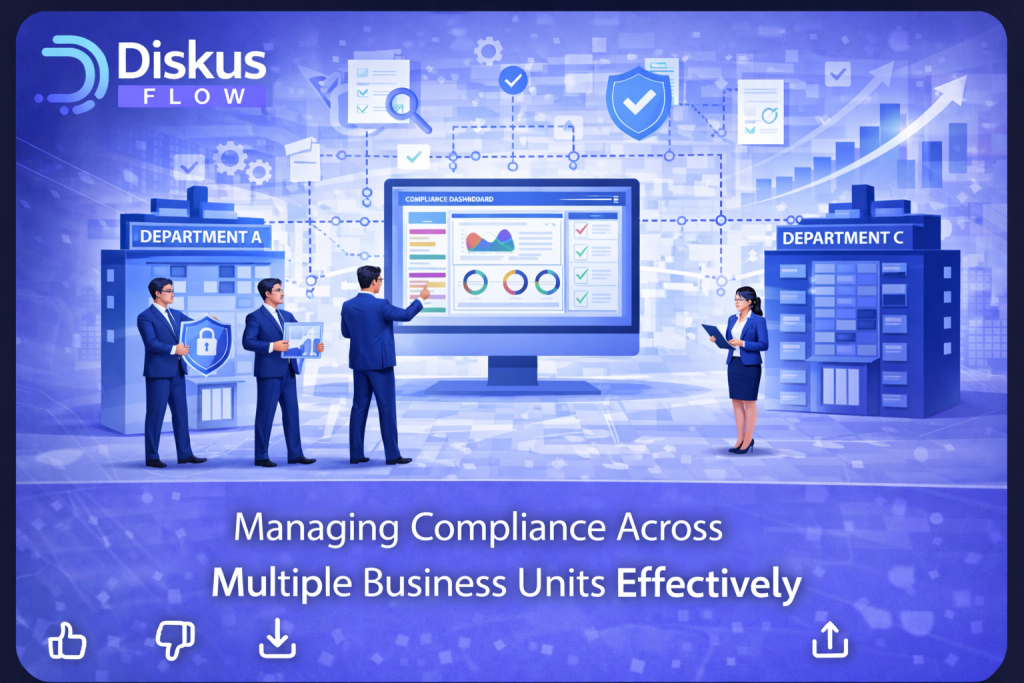
As organizations expand, operational structures often evolve into multi-unit environments where different departments, regions, or subsidiaries operate with varying degrees
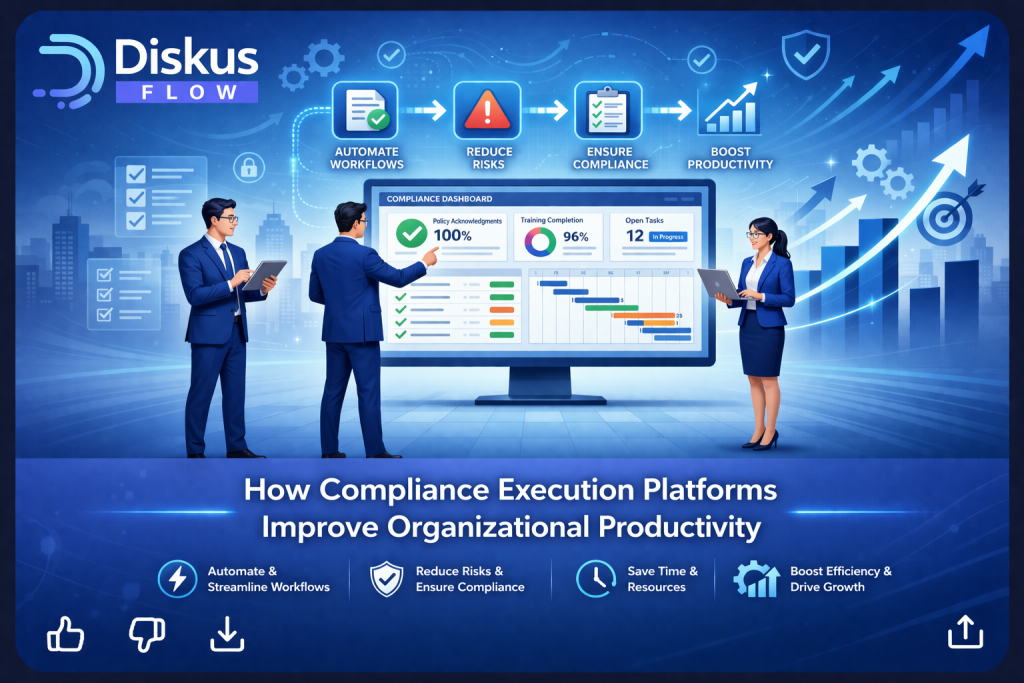
Compliance has traditionally been viewed as a necessary obligation that introduces operational friction. Organizations often associate regulatory requirements with increased