
Compliance Management Software for FMCG Companies in Saudi Arabia
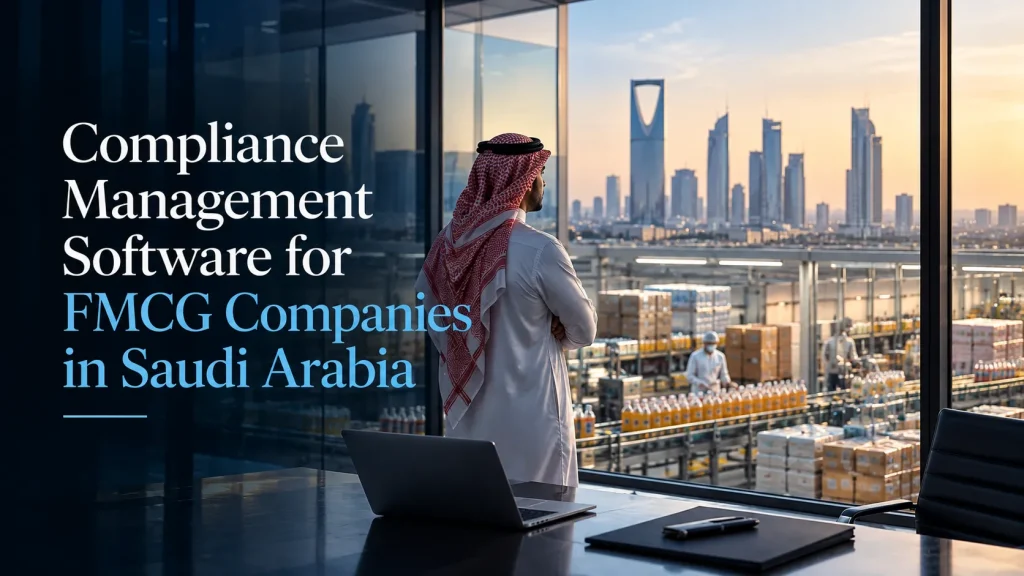
FMCG companies can manage compliance activities across procurement, manufacturing, quality, supply chain, warehousing, distribution, finance, HR, and other business functions. […]

FMCG companies can manage compliance activities across procurement, manufacturing, quality, supply chain, warehousing, distribution, finance, HR, and other business functions. […]

Banks in Pakistan manage compliance activities across multiple departments, responsible employees, deadlines, internal controls, supporting evidence, reviews, and reporting processes.
Organizations operating in Saudi Arabia may interact with different regulatory bodies depending on their industry, activities, structure, and circumstances. For
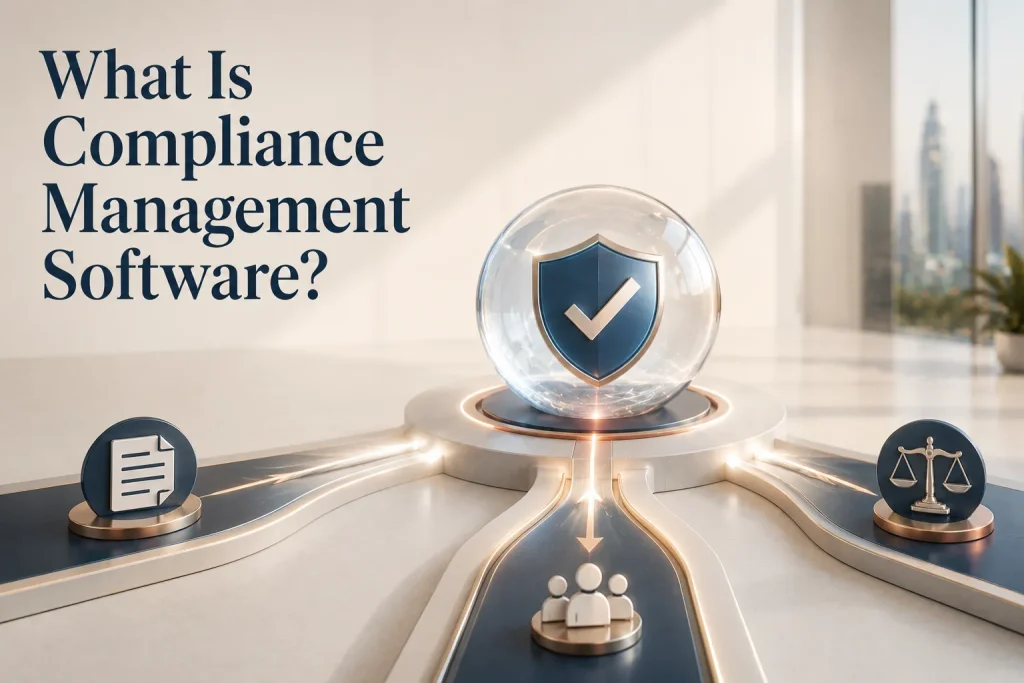
Organizations often manage compliance through a combination of policies, spreadsheets, emails, shared folders, departmental trackers, and recurring follow-ups. This may

Compliance teams often coordinate activities across multiple departments, owners, deadlines, and recurring requirements. Even when the underlying requirements are clearly
Pakistani organizations may manage a combination of external regulatory obligations, internal policies, controls, approvals, and recurring responsibilities. As these activities

Financial institutions often manage a broad range of external obligations alongside internal policies, controls, approvals, reviews, and recurring activities. Responsibility

Saudi companies may manage a wide range of internally created policies, controls, approvals, procedures, and recurring responsibilities alongside their external

Saudi organizations may manage external regulatory obligations alongside internal policies, controls, approvals, and recurring compliance activities. As responsibilities spread across

Excel is widely used to organize business information, and compliance tracking is no exception. For smaller organizations or teams managing