
Why Real-Time Compliance Visibility Is Essential for Effective Compliance Management
Compliance management is no longer limited to maintaining policies, documenting controls, or preparing for periodic audits. Modern organizations operate in […]
Compliance management is no longer limited to maintaining policies, documenting controls, or preparing for periodic audits. Modern organizations operate in […]
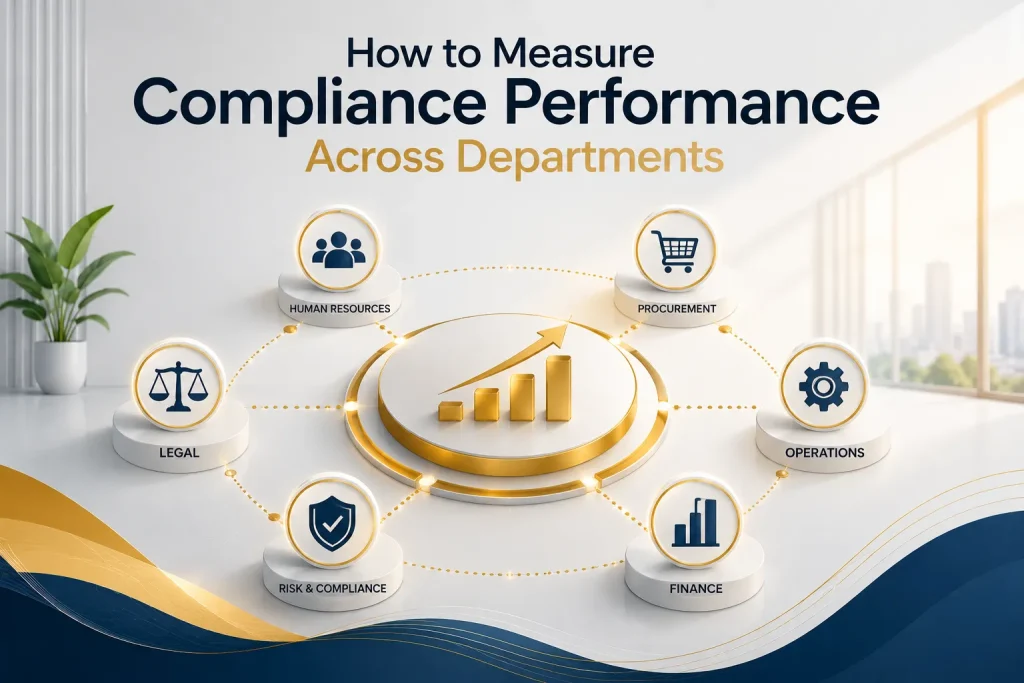
Most organizations invest significant time and resources in developing compliance policies, assigning responsibilities, and implementing regulatory controls. However, many struggle
Many organizations believe they have established accountability simply by assigning compliance responsibilities to individuals or departments. Every policy has an
Compliance teams play a critical role in protecting organizations from regulatory, operational, and reputational risks. However, in many organizations, compliance
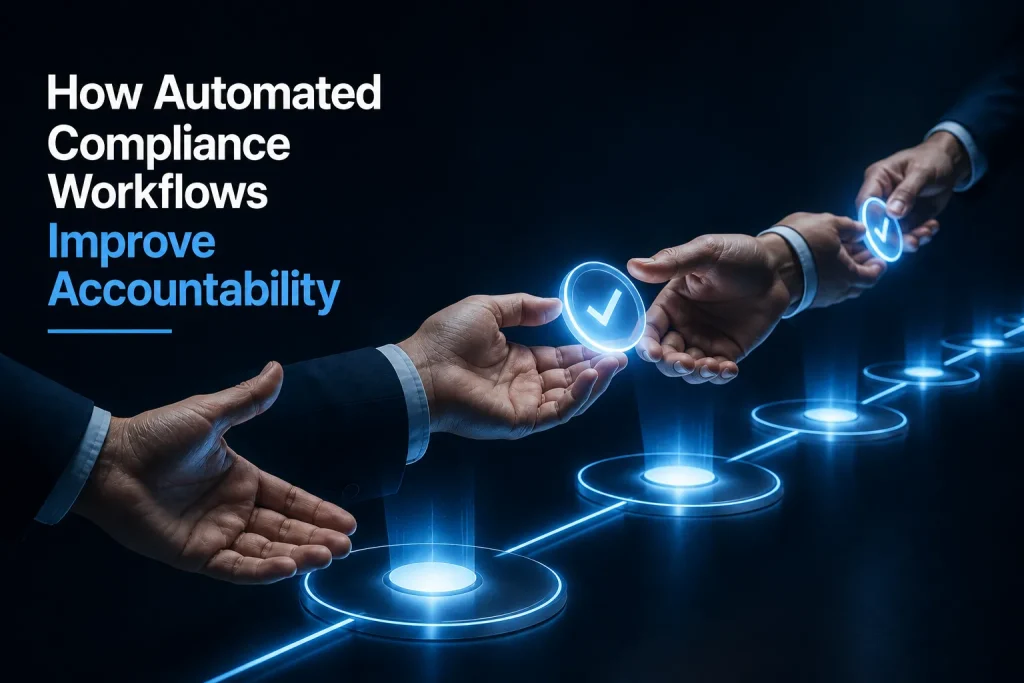
Most compliance failures do not occur because organizations lack policies. They occur because compliance activities are not executed consistently. A

For years, compliance teams have relied on two familiar tools to manage regulatory obligations, audit activities, policy reviews, and governance
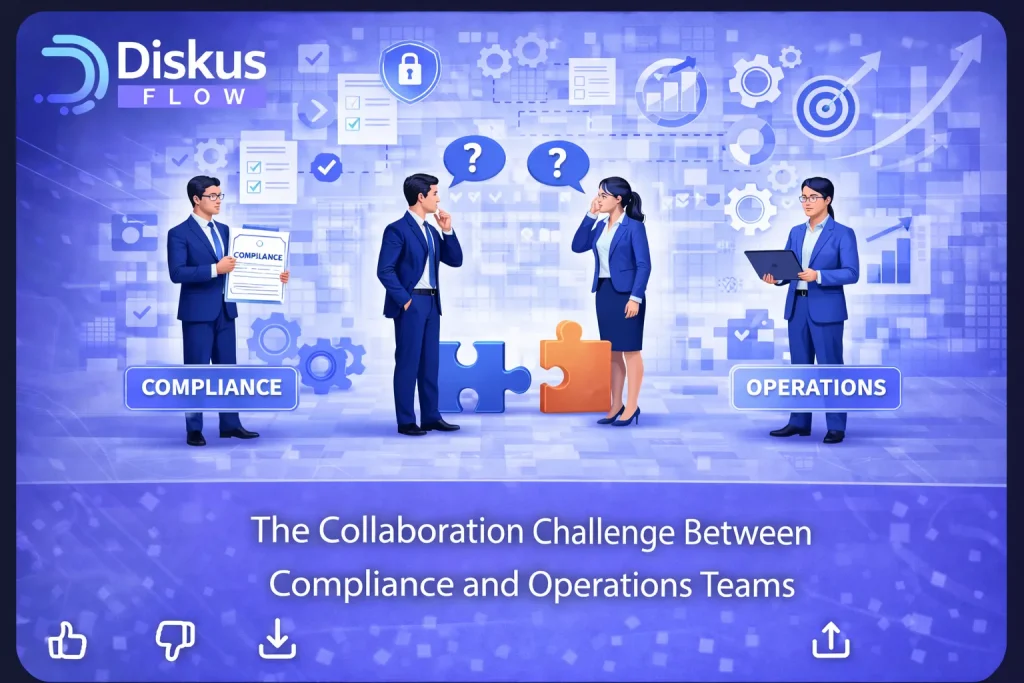
In modern enterprises, effective governance depends not only on well-defined compliance frameworks but also on strong collaboration between compliance and
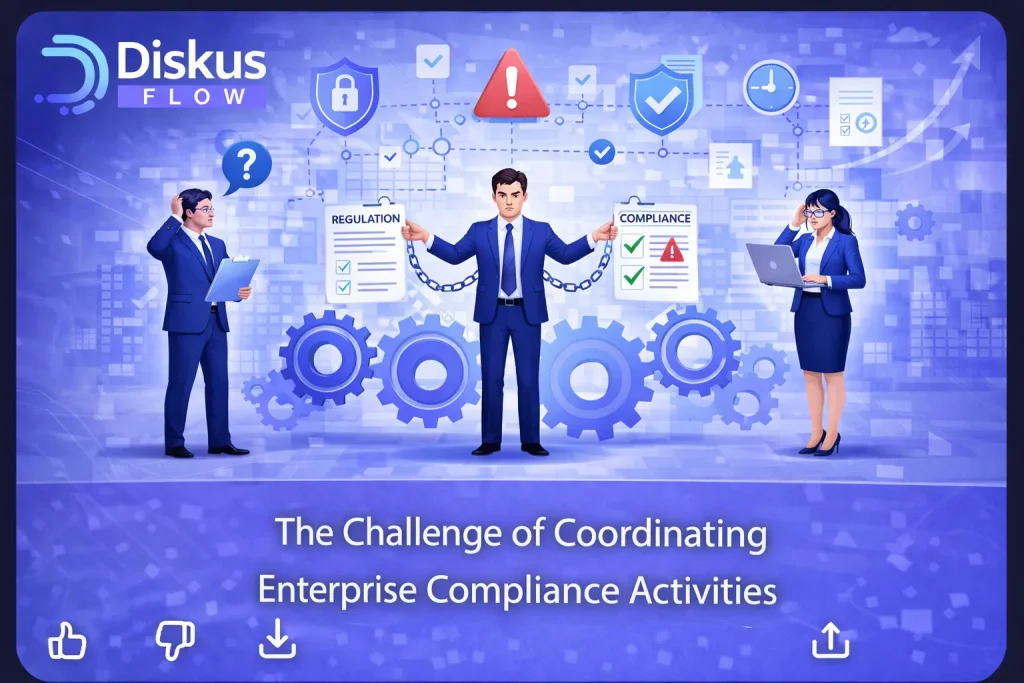
In large enterprises, compliance is no longer a single-function responsibility managed through central oversight. Instead, it becomes a distributed operational
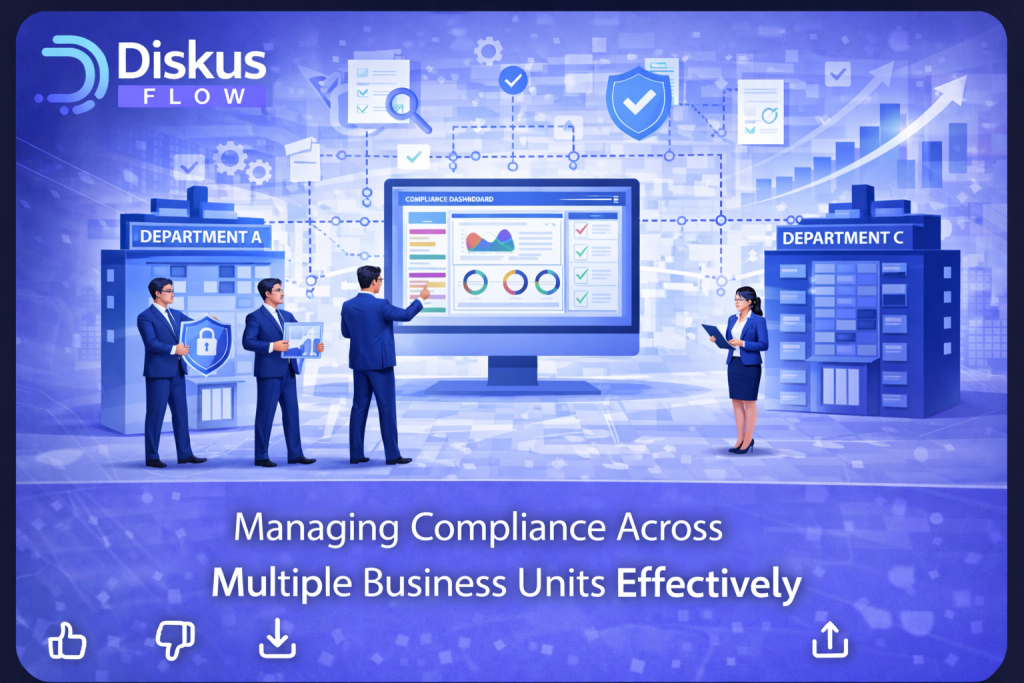
As organizations expand, operational structures often evolve into multi-unit environments where different departments, regions, or subsidiaries operate with varying degrees
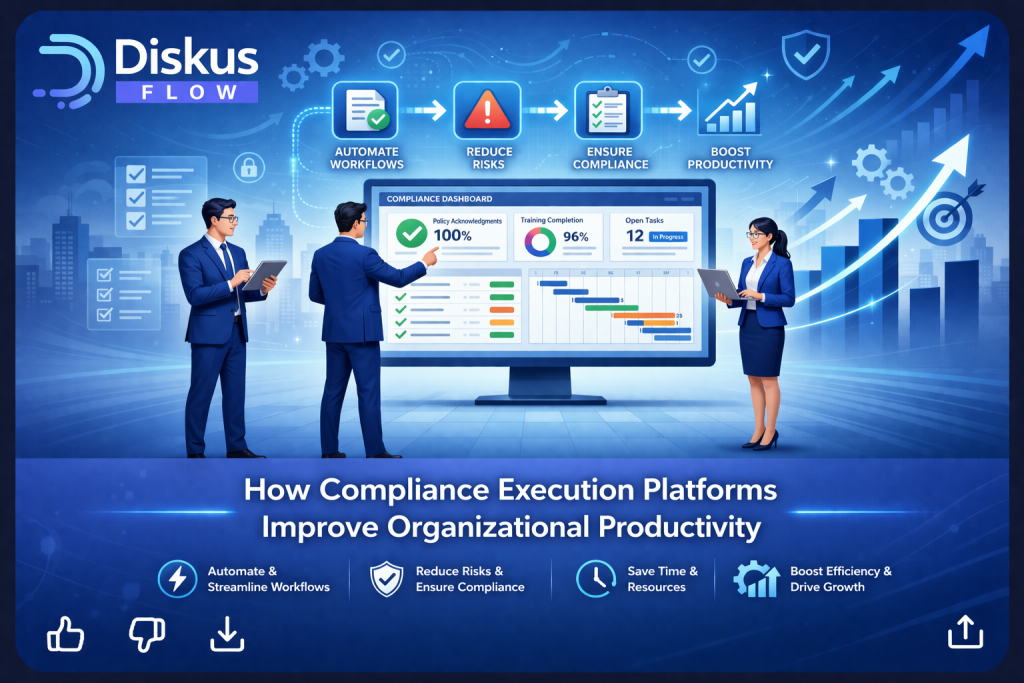
Compliance has traditionally been viewed as a necessary obligation that introduces operational friction. Organizations often associate regulatory requirements with increased