

Compliance has changed more in the past decade than in the previous fifty years. Digital transformation, global regulatory expansion, and increasing stakeholder expectations have fundamentally altered how organizations manage governance responsibilities. Compliance is no longer a static function focused on policy maintenance. It has become a dynamic operational discipline that shapes how enterprises design processes, manage risk, and sustain accountability. The digital enterprise has accelerated this transformation. As organizations adopt cloud infrastructure, data-driven decision-making, and interconnected business ecosystems, compliance requirements have become more embedded in everyday operations. This evolution has forced governance models to adapt. Digitalization has Expanded the Scope...

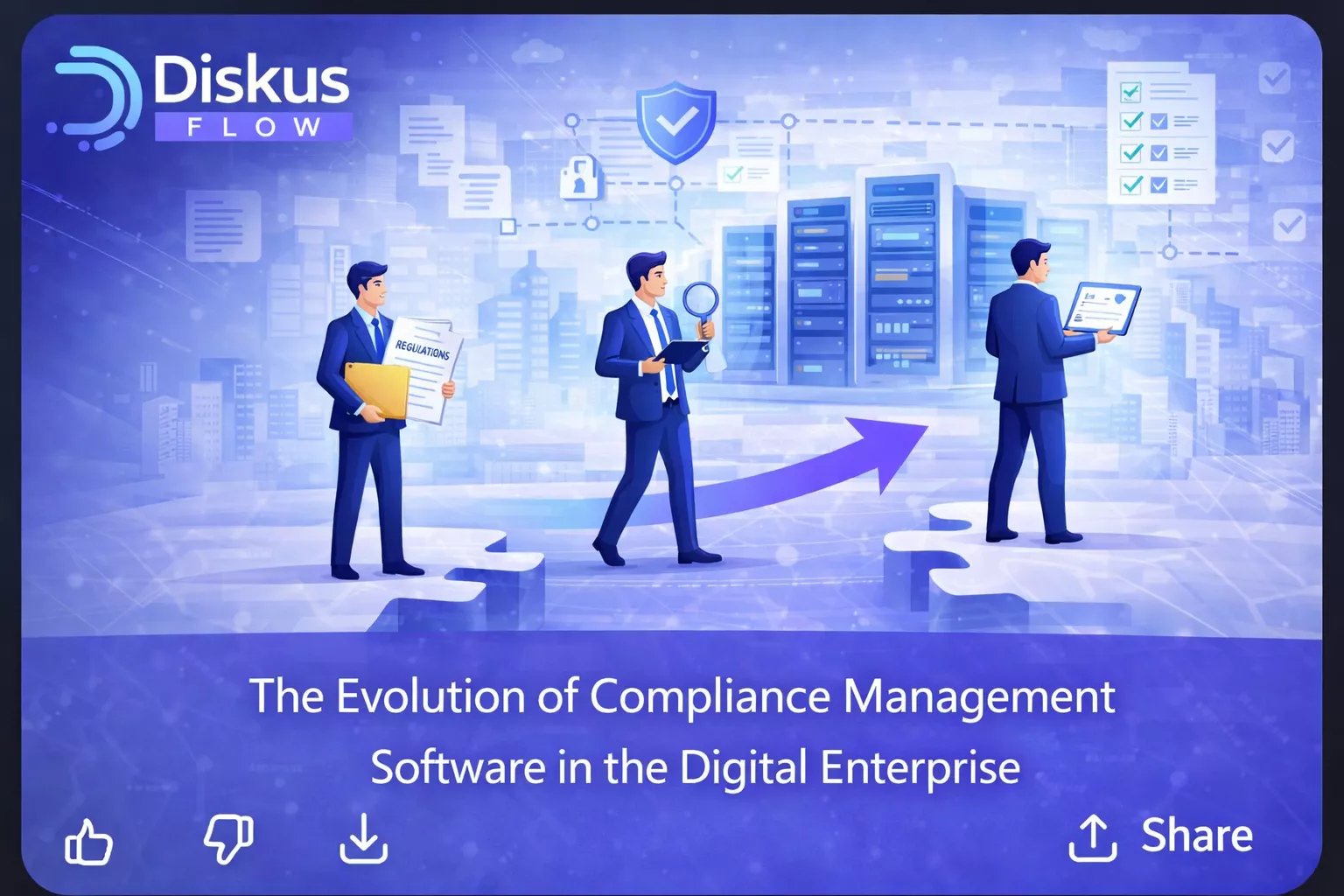
Compliance has changed more in the past decade than in the previous fifty years. Digital transformation, global regulatory expansion, and increasing stakeholder expectations have fundamentally altered how organizations manage governance responsibilities. Compliance is no longer a static function focused on policy maintenance. It has become a dynamic operational discipline that shapes how enterprises design processes, manage risk, and sustain accountability.
The digital enterprise has accelerated this transformation. As organizations adopt cloud infrastructure, data-driven decision-making, and interconnected business ecosystems, compliance requirements have become more embedded in everyday operations. This evolution has forced governance models to adapt.
Digitalization has Expanded the Scope of Compliance
In traditional business environments, compliance obligations were often confined to specific regulatory domains such as finance or legal oversight. Today, compliance intersects with nearly every organisational function. Data privacy regulations influence product design. Cybersecurity standards shape IT architecture. ESG reporting requirements affect strategic planning.
This expansion of compliance scope has made manual coordination increasingly difficult. Enterprises are therefore adopting structured infrastructures such as compliance management software to centralise governance activities and improve operational visibility.
By integrating compliance responsibilities into digital systems, organizations can manage regulatory complexity more effectively while maintaining execution consistency.
From Control Frameworks to Operational Integration
Earlier compliance models focused primarily on control design and documentation. While these elements remain essential, they are no longer sufficient to ensure sustained regulatory adherence. The digital enterprise requires compliance processes that are integrated into operational workflows.
Operational Integration Enables Organizations To:
- Assign compliance tasks systematically
- Monitor execution progress in real time
- Capture supporting evidence continuously
- Respond more quickly to regulatory change
Technologies aligned with regulatory workflow automation principles support this transition by embedding governance requirements into business processes rather than treating them as separate oversight activities.
Continuous Compliance as the New Governance Baseline
Digital enterprises operate in environments characterised by rapid change and constant risk exposure. Periodic compliance validation models struggle to keep pace with this reality. As a result, organizations are shifting toward continuous compliance frameworks that emphasise sustained execution visibility.
Structured systems such as continuous compliance software enable organizations to maintain ongoing oversight of governance activities. This approach reduces reliance on episodic audits and supports more proactive risk management strategies.
Continuous compliance also enhances organisational resilience by ensuring that governance performance is consistently monitored rather than evaluated retrospectively.
Technology is Redefining Compliance Accountability
Digital platforms have introduced new opportunities for improving compliance accountability. Automated workflows, integrated reporting tools, and real-time data analytics provide leadership teams with deeper insight into governance performance.
These capabilities support a transition from reactive compliance management to execution driven governance. Instead of focusing solely on whether policies exist, organizations can evaluate how effectively compliance responsibilities are being performed across operational functions.
This shift reflects a broader transformation in enterprise management philosophy. Governance is increasingly viewed as an operational capability rather than a supervisory function.
The Organizational Impact of Digital Compliance Evolution
As compliance becomes more integrated into digital workflows, its influence on organisational performance continues to grow. Effective compliance execution contributes to stronger risk management, improved stakeholder trust, and more stable operational processes.
Organizations that Successfully Adapt to Digital Compliance Models Typically Demonstrate:
- Greater transparency in governance performance
- Improved coordination across departments
- Faster response to regulatory developments
- Enhanced credibility with regulators and investors
These outcomes highlight the strategic importance of embedding compliance into digital enterprise architectures.
The Emergence of Execution Driven Compliance Platforms
A new category of governance technology is emerging that prioritises execution integration. These platforms convert regulatory requirements into structured operational activities, enabling organizations to manage compliance more consistently at scale.
Within this evolving ecosystem, platforms such as DiskusFlow illustrate how enterprises are redefining compliance as an execution challenge rather than a documentation exercise. By focusing on workflow integration and accountability coordination, execution driven models support more sustainable governance outcomes.
Leadership Implications in the Digital Compliance Era
Executive teams must recognise that compliance evolution is closely linked to broader digital transformation initiatives. Governance strategies must align with technological capabilities to ensure that regulatory obligations are managed effectively.
Organizations that treat compliance as a strategic operational capability rather than a procedural requirement are better positioned to navigate complex regulatory environments and maintain long term organisational resilience.
Conclusion
The evolution of compliance in the digital enterprise reflects a shift from static control frameworks to dynamic execution models. As regulatory complexity continues to grow, organizations must integrate governance responsibilities into digital workflows and maintain continuous oversight of compliance performance.
By adopting execution focused compliance infrastructures, enterprises can enhance accountability, reduce risk exposure, and achieve more sustainable governance maturity in an increasingly interconnected business landscape.
Share this article on


