

Digital transformation is redefining how organizations operate, innovate, and compete. While new technologies enable efficiency and scalability, they also introduce complex governance challenges. As businesses modernise systems, adopt cloud infrastructure, and integrate data-driven processes, compliance risk becomes more dynamic and difficult to manage through traditional oversight models. In earlier operational environments, compliance risks were often predictable and confined to established regulatory frameworks. However, digital transformation expands the scope of governance responsibilities. New technologies create additional regulatory expectations, increase exposure to cybersecurity threats, and introduce dependencies across interconnected digital ecosystems. This is the stage at which many enterprises begin evaluating structured...

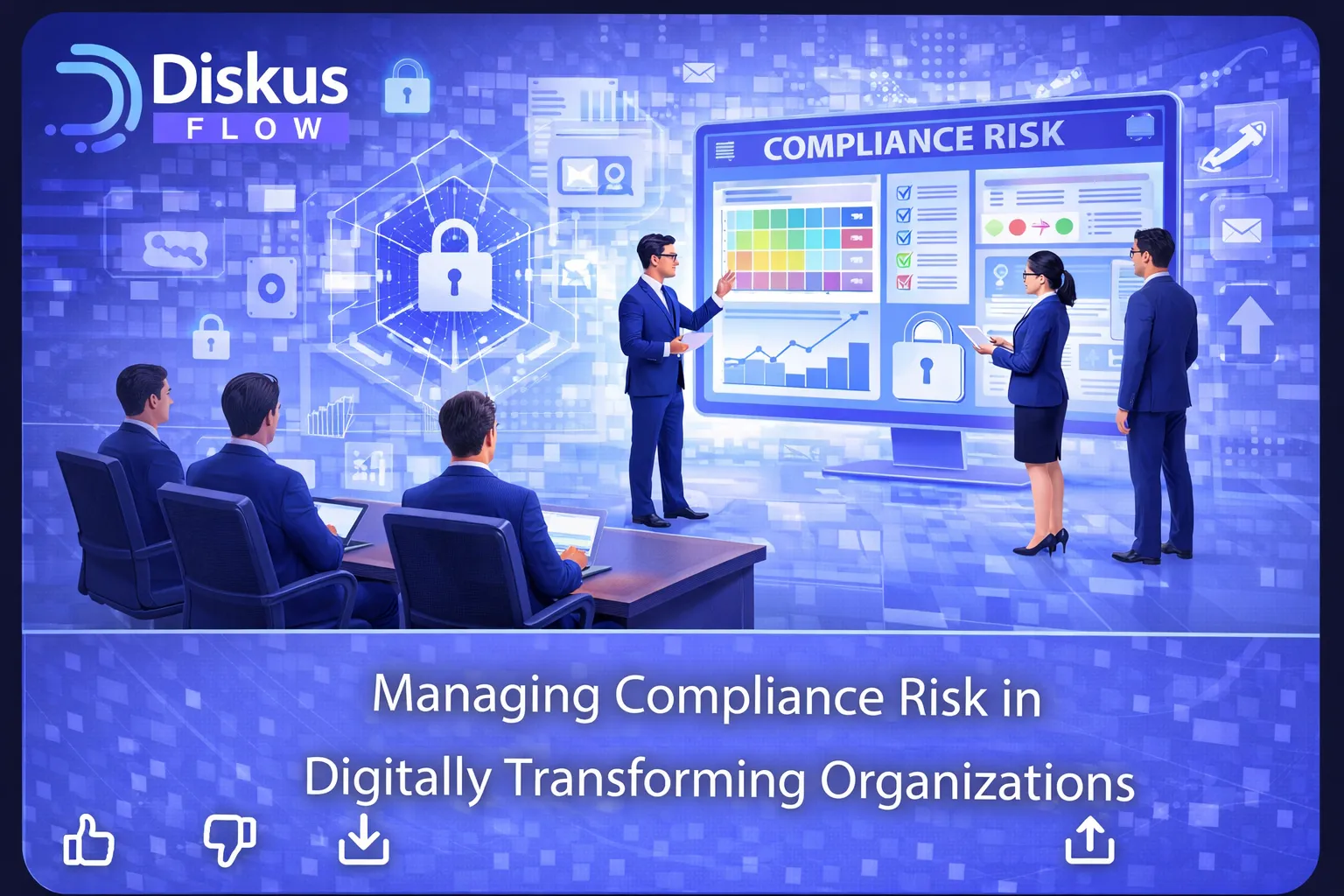
Digital transformation is redefining how organizations operate, innovate, and compete. While new technologies enable efficiency and scalability, they also introduce complex governance challenges. As businesses modernise systems, adopt cloud infrastructure, and integrate data-driven processes, compliance risk becomes more dynamic and difficult to manage through traditional oversight models.
In earlier operational environments, compliance risks were often predictable and confined to established regulatory frameworks. However, digital transformation expands the scope of governance responsibilities. New technologies create additional regulatory expectations, increase exposure to cybersecurity threats, and introduce dependencies across interconnected digital ecosystems.
This is the stage at which many enterprises begin evaluating structured solutions such as digital compliance management software to maintain execution consistency across evolving technological environments.
Digital Adoption Reshapes Compliance Risk Landscapes
As organizations implement new digital tools and platforms, compliance risk becomes more fluid and complex. Traditional governance models that rely on periodic reviews struggle to address the speed and scale of technological change.
Common Compliance Risks Associated with Digital Transformation Include:
- increased exposure to data protection and cybersecurity regulations
- rapid introduction of new digital processes without aligned governance controls
- reliance on third-party technology providers with varying compliance standards
- difficulty maintaining visibility into compliance execution across digital workflows
Without structured execution frameworks, these risks can accumulate and affect organisational resilience.
Fragmented Technology Ecosystems Increase Governance Challenges
Digital transformation often results in a combination of legacy systems and modern platforms operating simultaneously. This hybrid environment can create governance fragmentation, making it difficult to maintain consistent compliance execution.
Organizations facing these challenges frequently adopt systems aligned with compliance workflow automation software capabilities that integrate regulatory responsibilities into digital operational processes. By embedding governance controls within technology environments, enterprises can improve execution transparency and reduce reactive compliance behaviour.
Execution-Driven Compliance Supports Digital Resilience
Managing compliance risk in digitally transforming organizations requires a shift from oversight-based governance to execution-focused frameworks. Structured compliance systems enable organizations to maintain control even as technological complexity increases.
Execution-Driven Compliance Environments Support:
- continuous monitoring of regulatory obligations across digital processes
- improved coordination between compliance, IT, and operational teams
- systematic capture of governance evidence in technology-driven workflows
- enhanced readiness for audits and regulatory reviews
Within this evolving governance landscape, platforms such as DiskusFlow illustrate how integrated compliance execution infrastructures enable organizations to align regulatory requirements with digital innovation.
Leadership Implications in Digital Governance Transformation
For executive teams, digital transformation requires rethinking how compliance risk is managed. Governance must be integrated into technological strategy to ensure that innovation does not outpace regulatory alignment.
Organizations that invest in scalable compliance execution systems are better positioned to maintain trust, reduce exposure to emerging risks, and sustain performance momentum in rapidly evolving digital environments.
Conclusion
Managing compliance risk in digitally transforming organizations demands structured governance frameworks that align with technological change. By embedding compliance execution into digital workflows and enhancing visibility across governance activities, enterprises can support innovation while maintaining regulatory confidence and long-term organisational stability.
Share this article on


