

Operational risk rarely appears without warning. In most organizations, it develops gradually through delayed compliance activities, missed regulatory deadlines, incomplete documentation, unclear ownership, and limited visibility into day-to-day operations. While these issues may seem minor individually, they often combine to create larger governance, operational, and regulatory challenges. One of the biggest reasons these risks remain unnoticed is the absence of operational visibility. Leadership may receive periodic reports and compliance updates, but those reports often provide a historical view rather than a real-time picture of what is happening across the organization. This makes it difficult to identify potential issues before they...

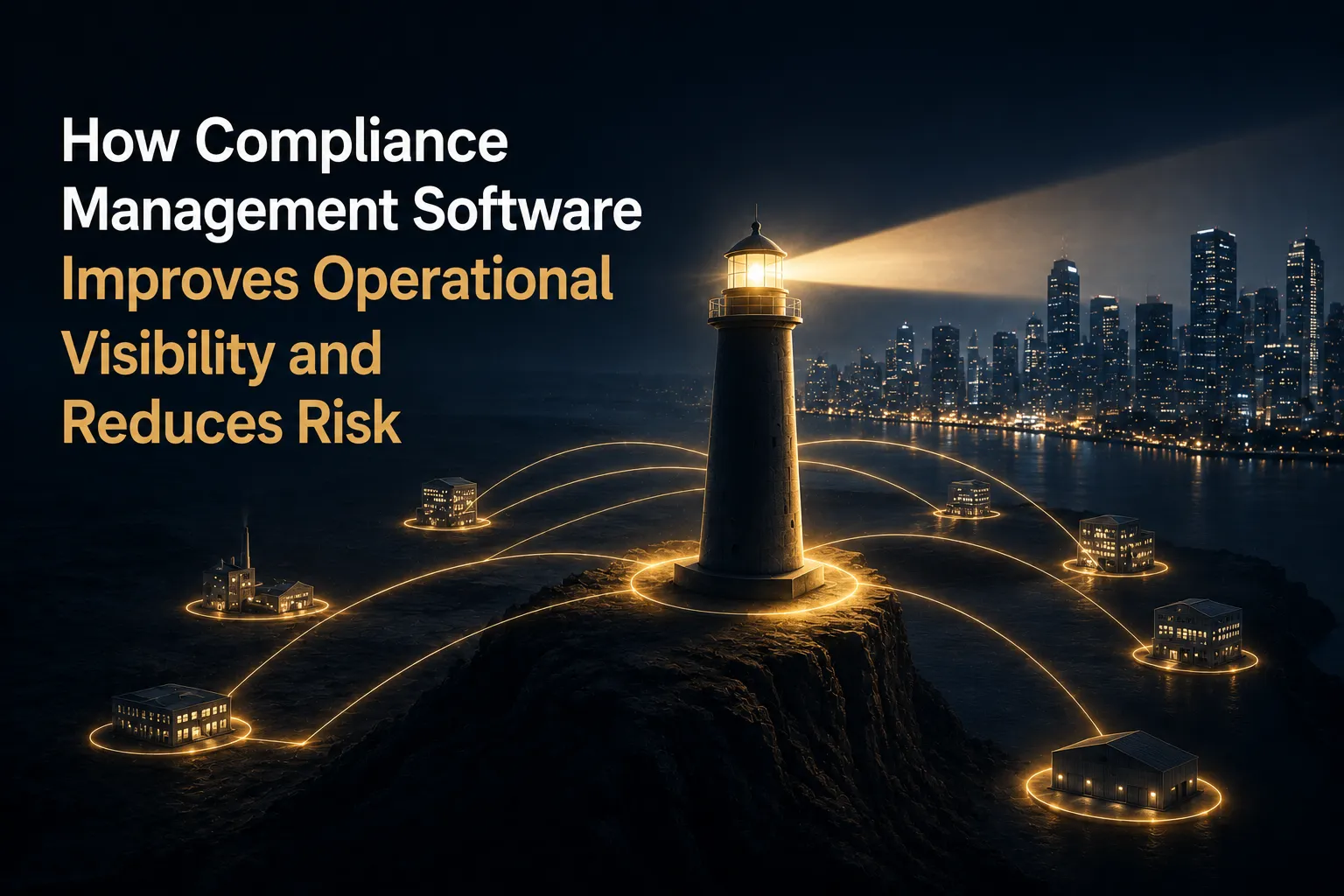
Operational risk rarely appears without warning. In most organizations, it develops gradually through delayed compliance activities, missed regulatory deadlines, incomplete documentation, unclear ownership, and limited visibility into day-to-day operations. While these issues may seem minor individually, they often combine to create larger governance, operational, and regulatory challenges.
One of the biggest reasons these risks remain unnoticed is the absence of operational visibility. Leadership may receive periodic reports and compliance updates, but those reports often provide a historical view rather than a real-time picture of what is happening across the organization. This makes it difficult to identify potential issues before they become audit findings or regulatory concerns. Modern Compliance Management Software addresses this challenge by providing continuous visibility into compliance activities, allowing organizations to detect risks early and respond before they escalate.
Why Operational Visibility Matters
Without this level of visibility, compliance teams often rely on spreadsheets, emails, and manual status updates to understand what is happening. These disconnected processes increase the likelihood of missed deadlines, duplicated effort, and inconsistent reporting. More importantly, they prevent leadership from making informed decisions because the available information is often incomplete or outdated.
How Compliance Management Software Reduces Operational Risk
The primary objective of Compliance Management Software is not simply to store policies or regulatory documents. Its purpose is to ensure that compliance activities are executed consistently and monitored continuously. Every compliance obligation can be assigned to a responsible owner, linked to deadlines, supported by evidence, and tracked until completion.
When combined with Compliance Execution Software, organizations gain greater control over their compliance processes by reducing manual follow-ups, improving accountability, and ensuring that regulatory obligations remain visible throughout their lifecycle. Instead of reacting to problems after they occur, compliance teams can identify risks while corrective action is still possible.
From Periodic Reporting to Continuous Visibility
Traditional compliance programs often depend on monthly reports or quarterly reviews to evaluate performance. Although these reports provide useful insights, they cannot capture issues that arise between reporting periods. A missed approval, delayed review, or incomplete action item may remain unnoticed until the next assessment, increasing the organization’s exposure to risk.
By using Real-Time Compliance Monitoring Software within a modern Compliance Operations Platform, organizations can monitor compliance activities continuously rather than periodically. This allows management to identify trends, monitor performance, and resolve issues before they develop into larger operational or regulatory problems.
How DiskusFlow Strengthens Operational Visibility
DiskusFlow helps organizations build a compliance environment where visibility is available at every stage of the compliance lifecycle. It transforms regulatory obligations into structured workflows with clear ownership, automated reminders, centralized evidence management, and executive dashboards that provide real-time insight into compliance performance.
As a Compliance Management Software, Compliance Execution Software, and Compliance Operations Platform, DiskusFlow enables organizations to improve accountability, strengthen governance, and reduce operational risk by ensuring that compliance activities remain visible, measurable, and consistently executed across the organization.
Conclusion
Operational visibility is one of the strongest foundations of an effective compliance program. Organizations that can see what is happening across their compliance processes are better equipped to identify risks early, improve accountability, and respond quickly to changing regulatory requirements. By investing in modern Compliance Management Software, organizations can move beyond manual tracking and fragmented reporting to build a more resilient compliance function that supports long-term governance, operational excellence, and continuous compliance.
Share this article on


