

Rapid business expansion is often treated as a purely operational or financial challenge. Organizations invest in hiring, product development, sales acceleration, and market penetration strategies. Yet one of the most fragile components during high growth phases is rarely discussed. Compliance infrastructure is usually built for stability, not scale. As companies expand into new markets, onboard new employees, and introduce more complex operational processes, governance expectations increase significantly. Regulatory exposure increases, internal accountability structures strain, and compliance execution loses consistency. This is the stage at which many growing enterprises begin evaluating structured solutions, such as an enterprise compliance platform, to stabilise...

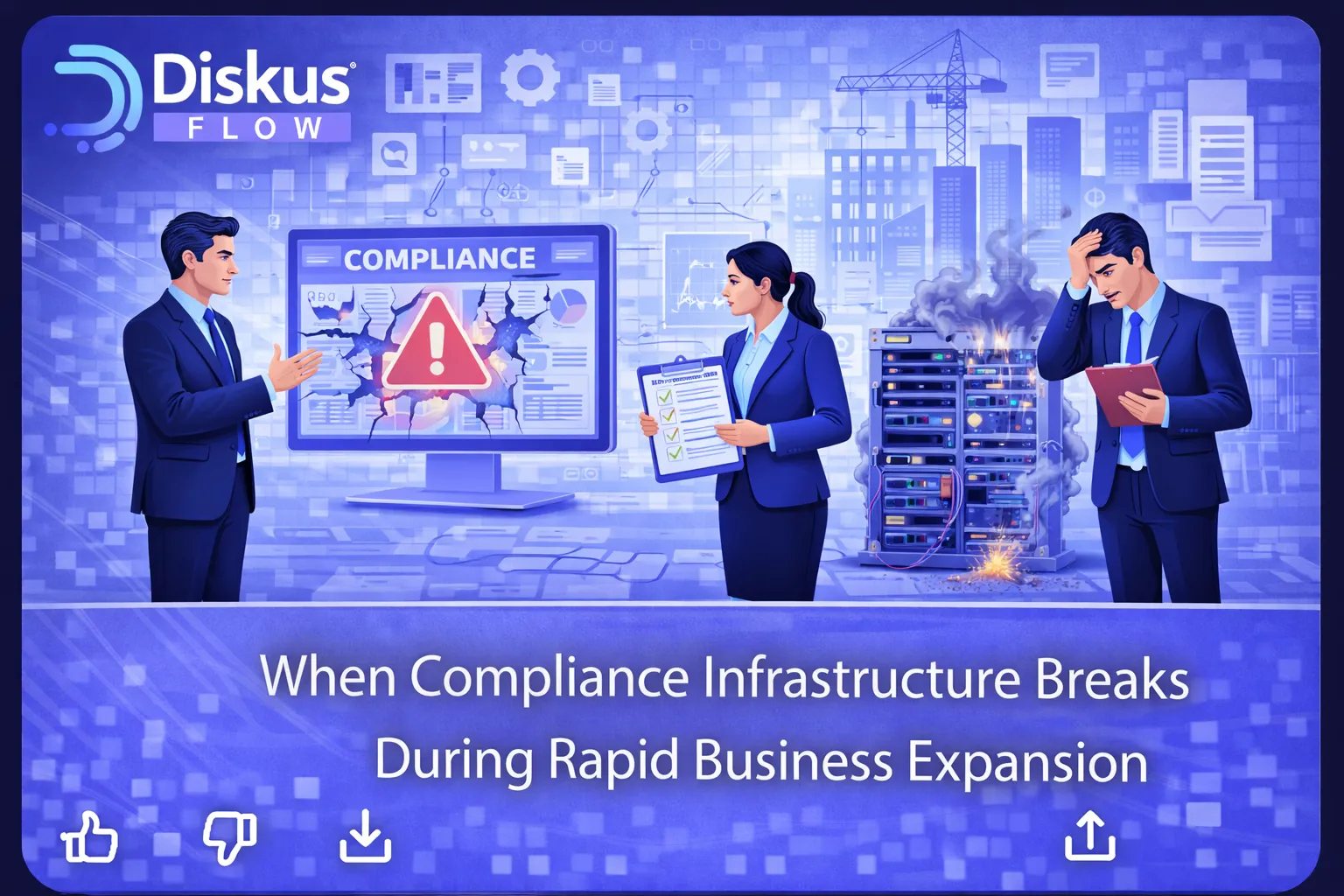
Rapid business expansion is often treated as a purely operational or financial challenge. Organizations invest in hiring, product development, sales acceleration, and market penetration strategies. Yet one of the most fragile components during high growth phases is rarely discussed. Compliance infrastructure is usually built for stability, not scale.
As companies expand into new markets, onboard new employees, and introduce more complex operational processes, governance expectations increase significantly. Regulatory exposure increases, internal accountability structures strain, and compliance execution loses consistency.
This is the stage at which many growing enterprises begin evaluating structured solutions, such as an enterprise compliance platform, to stabilise governance execution across expanding business units.
Growth Introduces Invisible Compliance Pressure
Early stage companies often manage compliance responsibilities through informal coordination. Policies are known, teams communicate directly, and documentation requirements remain manageable. However, growth introduces structural shifts that transform compliance from a manageable function into a coordination challenge.
Common Pressures During Expansion Include:
- Managing regulatory obligations across multiple jurisdictions
- Maintaining consistent compliance standards across new teams
- Ensuring governance visibility for executive leadership
- Aligning operational speed with regulatory expectations
Without a scalable execution infrastructure, these pressures create gaps that may not become visible until audits, investor reviews, or regulatory interventions occur.
Expansion Exposes Execution Bottlenecks
As operational complexity increases, compliance execution begins to encounter bottlenecks. Decision approvals take longer, evidence management becomes fragmented, and accountability becomes difficult to track. What was once an efficient governance structure starts to slow organisational momentum.
Companies Experiencing Rapid Scale Often Notice:
- Delays in compliance-related approvals affecting product timelines
- Difficulty maintaining documentation continuity across departments
- Increased reliance on manual tracking mechanisms
- Reduced confidence in governance performance reporting
To address these challenges, organizations frequently consider investing in structured infrastructures aligned with compliance process automation software capabilities that enable more predictable execution coordination.
Scaling Requires Redesigning Compliance Operating Models
Compliance frameworks designed for smaller organizations often prioritise flexibility and direct oversight. As companies transition toward enterprise scale, these models must evolve. Governance execution needs to become more systematic without introducing operational rigidity.
Execution Driven Compliance Environments Support Scaling Organizations By:
- Embedding regulatory responsibilities into operational workflows
- Enhancing real-time visibility into governance performance
- Supporting distributed accountability structures
- Reducing the risk of fragmented compliance execution
This transformation allows organizations to scale governance alongside business growth rather than allowing compliance maturity to lag behind operational expansion.
Leadership Must Anticipate Compliance Scaling Risks
Executive teams often focus on market strategy and financial performance during high-growth phases. However, insufficient compliance infrastructure can create long-term risks that undermine strategic progress. Governance breakdowns can affect investor confidence, regulatory relationships, and organisational reputation.
Forward-looking organizations treat compliance scalability as a strategic investment rather than a reactive necessity. Within this evolving governance landscape, platforms such as DiskusFlow represent the broader shift toward execution focused compliance systems designed to support sustained organisational expansion.
Compliance Maturity Stabilises Growth Trajectories
Companies that proactively strengthen compliance execution capabilities during expansion phases tend to experience more stable growth trajectories. By aligning governance infrastructure with organisational scale, enterprises can reduce risk exposure while maintaining operational agility.
This approach ensures that compliance supports business momentum instead of becoming an obstacle to innovation and market competitiveness.
Conclusion
Rapid expansion places significant pressure on compliance infrastructure that was often designed for smaller operational environments. As regulatory exposure grows alongside organisational complexity, enterprises must adopt scalable governance execution models that prioritise accountability, coordination and execution visibility.
Investing in structured compliance execution capabilities enables organizations to maintain regulatory confidence while sustaining long-term growth performance.
Share this article on


