

Audit readiness has traditionally been treated as a temporary organisational state. Companies prepare intensively before scheduled reviews, assemble documentation, conduct internal checks, and align stakeholders to present a compliant posture. Once the audit concludes, attention shifts back to operational priorities. However, in modern regulatory environments, this episodic approach is increasingly inadequate. Stakeholders now expect organizations to maintain consistent governance performance throughout the year. The concept of being “always audit-ready” reflects a deeper transformation in how compliance is operationalised. Audit Readiness is Becoming a Continuous Discipline Regulators and industry bodies are moving toward models that emphasise sustained adherence rather than point-in-time...

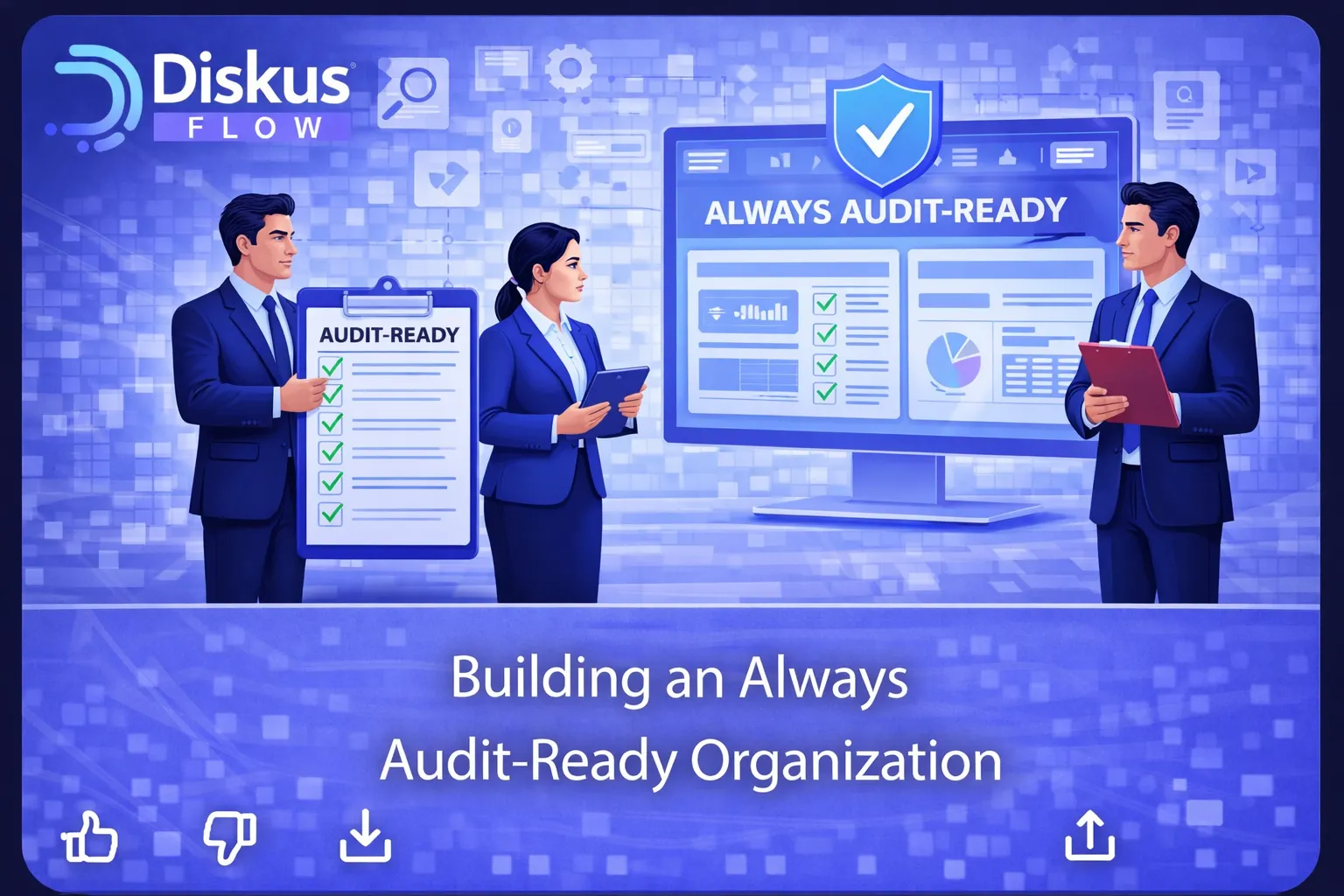
Audit readiness has traditionally been treated as a temporary organisational state. Companies prepare intensively before scheduled reviews, assemble documentation, conduct internal checks, and align stakeholders to present a compliant posture. Once the audit concludes, attention shifts back to operational priorities.
However, in modern regulatory environments, this episodic approach is increasingly inadequate. Stakeholders now expect organizations to maintain consistent governance performance throughout the year. The concept of being “always audit-ready” reflects a deeper transformation in how compliance is operationalised.
Audit Readiness is Becoming a Continuous Discipline
Regulators and industry bodies are moving toward models that emphasise sustained adherence rather than point-in-time validation. This shift requires organizations to rethink how governance processes are structured and monitored.
In continuous readiness environments, compliance activities are embedded into operational workflows, ensuring that evidence is generated as part of routine business processes. Structured infrastructures such as audit readiness software enable organizations to maintain documentation continuity and execution visibility across compliance cycles.
By integrating audit preparedness into everyday operations, enterprises can reduce reliance on last-minute remediation efforts and strengthen confidence in governance performance.
The Organizational Impact of Reactive Audit Preparation
Reactive audit preparation often creates significant operational strain. Compliance teams must coordinate across departments to gather evidence, validate controls, and address outstanding issues within limited timeframes. This approach can disrupt productivity and divert resources from strategic initiatives.
Common Consequences of Reactive Readiness Models Include:
- Increased administrative workload during review periods
- Fragmented documentation management
- Limited visibility into ongoing compliance execution
- Heightened organisational stress and resource inefficiency
Transitioning toward continuous readiness helps mitigate these challenges by distributing governance responsibilities more evenly across operational cycles.
Execution Visibility as the Foundation of Readiness
Achieving sustained audit readiness requires consistent execution monitoring. Leadership teams must be able to assess whether compliance controls are functioning effectively at any given moment. This level of insight supports proactive risk management and enhances organisational confidence.
Integrated monitoring environments supported by real-time compliance monitoring software provide continuous visibility into governance performance. By identifying deviations early, organizations can address issues before they escalate into audit findings.
Execution visibility transforms audit readiness from a reactive process into an ongoing operational capability.
Embedding Compliance Into Daily Workflows
Always-audit-ready organizations treat compliance as an integral component of business operations rather than a separate oversight function. Governance tasks are assigned, tracked, and validated within workflow systems, ensuring consistent adherence to regulatory expectations.
Execution-focused infrastructures aligned with compliance execution software principles enable organizations to convert regulatory requirements into structured operational activities. This integration supports more predictable governance outcomes and reduces dependence on manual coordination.
By embedding compliance into daily workflows, organizations can maintain readiness without compromising operational efficiency.
Strengthening Organizational Resilience Through Continuous Readiness
Sustained audit preparedness contributes to broader organisational resilience. Companies that maintain structured governance oversight are better equipped to respond to regulatory change, operational disruption, and stakeholder scrutiny.
Continuous Readiness Environments Support:
- Improved transparency in compliance performance
- Faster response to emerging governance risks
- Enhanced credibility with regulators and investors
- Greater stability in operational processes
These advantages highlight the strategic value of integrating audit readiness into enterprise governance frameworks.
The Role of Governance Technology in Readiness Transformation
Advances in enterprise technology are enabling organizations to move beyond documentation-centric compliance models. Digital platforms now provide capabilities for automated evidence capture, workflow integration, and real-time reporting.
Within this evolving governance ecosystem, platforms such as DiskusFlow illustrate how organizations are adopting execution-driven compliance infrastructures that prioritise accountability and continuity.
As governance expectations continue to evolve, technology will play an increasingly central role in supporting sustained audit readiness.
Leadership Implications in the Era of Continuous Assurance
Executive teams must recognise that audit readiness cannot be delegated solely to compliance functions. Achieving sustained preparedness requires cross-functional collaboration, operational transparency, and system-enabled accountability.
Organizations that treat audit readiness as an organisational discipline rather than a periodic compliance event are more likely to achieve stable governance maturity and maintain stakeholder trust.
Conclusion
Building an always-audit-ready organisation requires a shift from reactive preparation to continuous execution. As regulatory environments become more demanding, enterprises must embed compliance activities into operational workflows and maintain real-time visibility into governance performance.
By adopting execution-driven compliance models and leveraging structured governance infrastructures, organizations can achieve sustained readiness, reduce regulatory exposure, and strengthen long-term resilience.
Share this article on


