

Compliance failures are rarely the result of missing policies or unclear regulatory guidance. In most organizations, governance frameworks are well documented and supported by formal oversight structures. However, the real challenge often lies in how compliance responsibilities are executed across operational processes. Execution gaps, rather than strategic intent, are frequently the root cause of regulatory breakdowns. As organizations scale and operational complexity increases, ensuring consistent compliance execution becomes significantly more difficult. Tasks that were once manageable through manual coordination begin to require structured oversight, systematic tracking, and continuous accountability. This is the stage at which many enterprises begin evaluating structured...

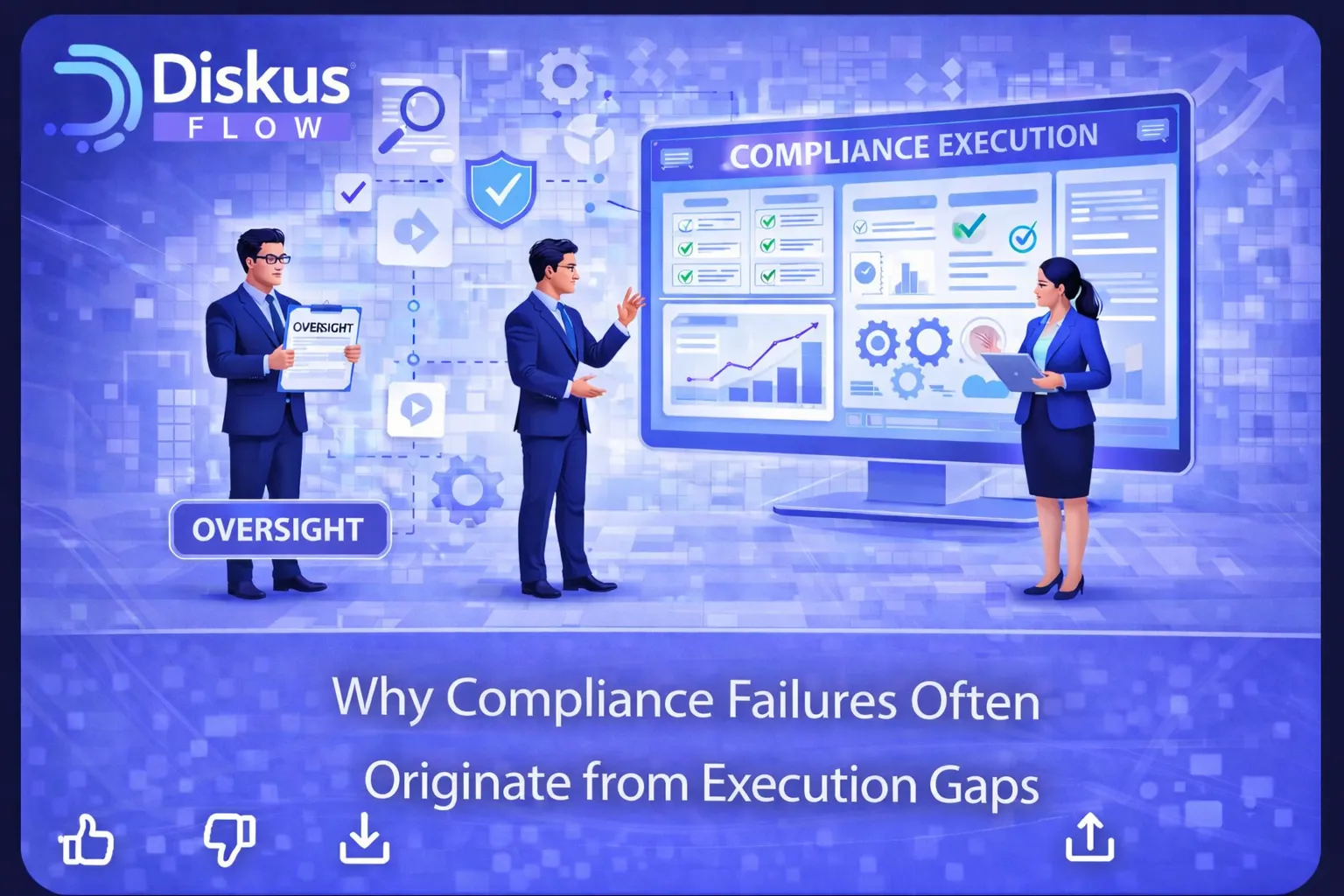
Compliance failures are rarely the result of missing policies or unclear regulatory guidance. In most organizations, governance frameworks are well documented and supported by formal oversight structures. However, the real challenge often lies in how compliance responsibilities are executed across operational processes. Execution gaps, rather than strategic intent, are frequently the root cause of regulatory breakdowns.
As organizations scale and operational complexity increases, ensuring consistent compliance execution becomes significantly more difficult. Tasks that were once manageable through manual coordination begin to require structured oversight, systematic tracking, and continuous accountability.
This is the stage at which many enterprises begin evaluating structured solutions such as compliance execution management software to improve governance consistency and reduce exposure to execution-related risks.
Execution Inconsistencies Weaken Governance Effectiveness
Compliance failures often develop gradually through small execution breakdowns that accumulate over time. These gaps may remain unnoticed until audits, regulatory reviews, or operational disruptions reveal systemic governance weaknesses.
Common Execution Gap Indicators Include:
- Inconsistent Completion Of Regulatory Tasks Across Departments
- Delayed Detection Of Compliance Control Failures
- Fragmented Documentation Of Governance Activities
- Unclear Ownership Of Compliance Responsibilities
Without a structured execution infrastructure, these issues can undermine organisational confidence in compliance performance.
Operational Complexity Amplifies Execution Risk
As organizations grow, compliance responsibilities become distributed across multiple teams and functional domains. This distribution can create coordination challenges that increase the likelihood of execution gaps.
Enterprises facing these challenges frequently adopt systems aligned with regulatory compliance execution platform capabilities that embed compliance responsibilities into operational workflows. By integrating governance execution into daily processes, organizations can improve accountability, transparency and reduce reliance on reactive compliance management.
Structured Execution Supports Regulatory Resilience
Maintaining consistent compliance execution requires governance systems that provide both centralised oversight and distributed accountability. Execution-driven compliance environments enable organizations to monitor performance trends continuously and respond to emerging risks more effectively.
Such Frameworks Support:
- Continuous Tracking Of Compliance Execution Progress
- Improved Coordination Between Compliance And Operational Teams
- Systematic Capture Of Governance Evidence
- Enhanced Readiness For Regulatory Audits
Within this evolving governance landscape, platforms such as DiskusFlow illustrate how integrated compliance execution infrastructures help organizations address execution-related risks proactively.
Leadership Implications in Execution-Driven Governance
For executive teams, recognising the importance of execution gaps is critical to strengthening organisational resilience. Governance strategies must prioritise not only policy development but also the operational mechanisms that ensure consistent compliance performance.
Organizations that invest in structured compliance execution systems are better positioned to reduce regulatory exposure, maintain stakeholder trust, and support sustainable growth.
Conclusion
Compliance failures often originate in execution gaps because governance effectiveness depends on how regulatory responsibilities are performed in practice. By adopting structured execution frameworks and enhancing visibility across compliance activities, organizations can strengthen accountability, reduce risk exposure, and achieve more reliable governance outcomes.
Share this article on


