

In modern enterprises, the role of compliance leaders is undergoing a significant transformation. Once primarily responsible for ensuring regulatory adherence and audit preparedness, compliance leaders are now becoming integral to shaping strategic direction. As regulatory complexity increases and governance expectations expand, organizations are recognising that compliance execution is closely linked to operational resilience and long-term performance. Historically, compliance leadership focused on monitoring regulatory developments and maintaining policy frameworks. However, evolving business environments now require compliance leaders to contribute actively to organisational strategy. This shift reflects a broader recognition that governance effectiveness influences not only regulatory outcomes but also market credibility...

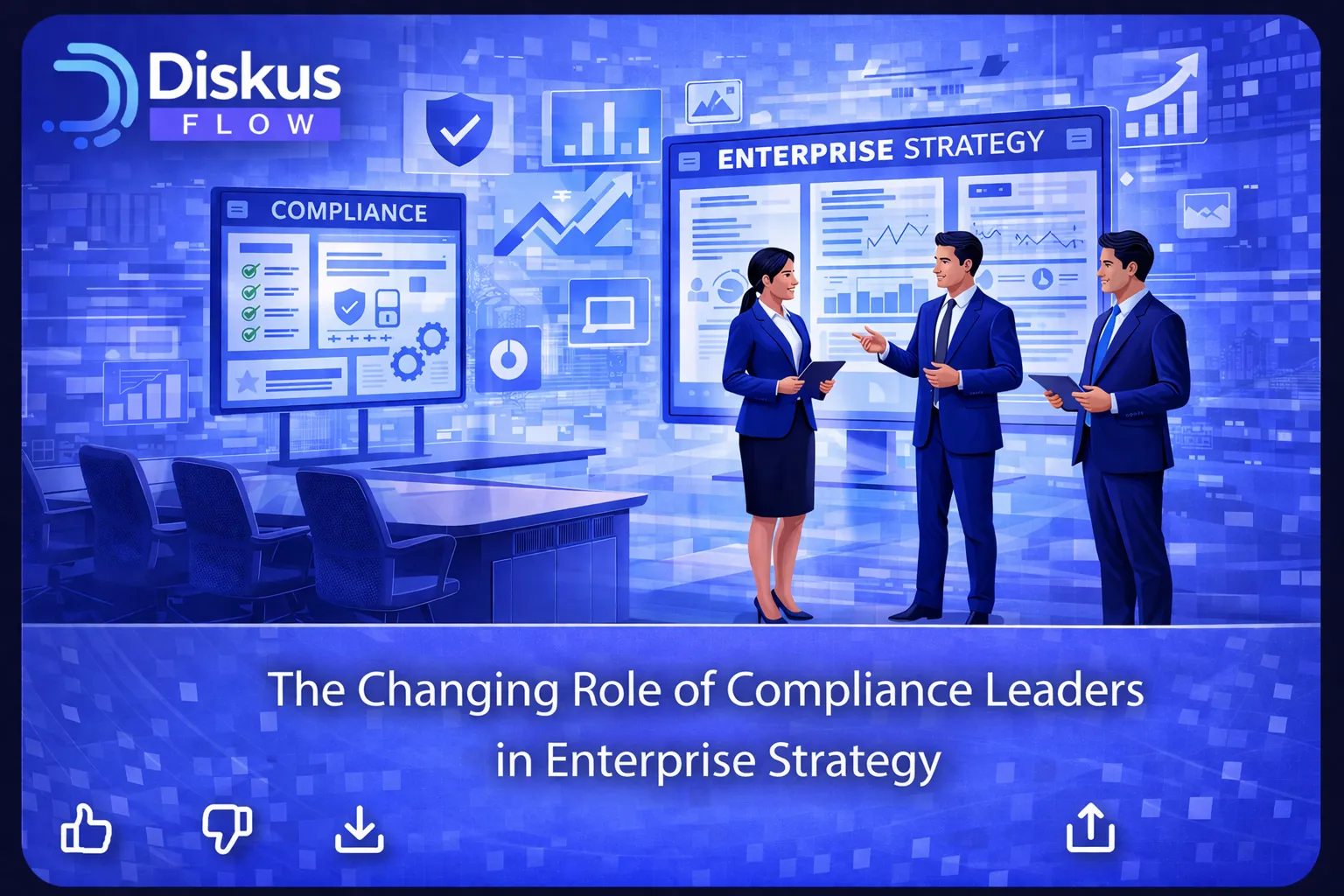
In modern enterprises, the role of compliance leaders is undergoing a significant transformation. Once primarily responsible for ensuring regulatory adherence and audit preparedness, compliance leaders are now becoming integral to shaping strategic direction. As regulatory complexity increases and governance expectations expand, organizations are recognising that compliance execution is closely linked to operational resilience and long-term performance.
Historically, compliance leadership focused on monitoring regulatory developments and maintaining policy frameworks. However, evolving business environments now require compliance leaders to contribute actively to organisational strategy. This shift reflects a broader recognition that governance effectiveness influences not only regulatory outcomes but also market credibility and stakeholder confidence.
This transformation is prompting many organizations to adopt structured solutions such as enterprise compliance strategy software to enhance coordination between compliance functions and executive decision-making processes.
Strategic Integration Increases Leadership Influence
Compliance leaders are increasingly involved in guiding enterprise-wide initiatives that affect risk exposure and governance performance. Their insights help organizations anticipate regulatory challenges and align operational strategies with compliance expectations.
Key strategic responsibilities emerging for compliance leaders include:
- Aligning Compliance Frameworks With Business Growth Objectives
- Advising Executive Teams On Regulatory Risk Implications
- Strengthening Governance Coordination Across Functional Domains
- Enhancing Transparency In Compliance Performance Reporting
By contributing to strategic planning, compliance leaders help organizations maintain stability while pursuing innovation and expansion.
Expanding Responsibilities Reshape Governance Structures
As compliance functions evolve, organisational structures must adapt to support broader governance mandates. Compliance leaders now collaborate more closely with risk management, legal, IT, and operational teams to ensure integrated oversight.
Enterprises frequently adopt systems aligned with compliance governance workflow platform capabilities to embed compliance considerations into enterprise decision-making processes. This integration enables organizations to maintain consistent execution while aligning governance with strategic priorities.
Execution-Driven Leadership Strengthens Organizational Resilience
Compliance leaders play a critical role in ensuring that governance strategies are translated into operational practices. Execution-focused compliance environments allow leaders to monitor performance trends, address emerging risks, and support sustainable organisational growth.
Structured Compliance Systems Support:
- Continuous Monitoring Of Regulatory Obligations Across Business Units
- Improved Coordination Between Governance And Operational Functions
- Systematic Evidence Management For Regulatory Assurance
- Enhanced Decision-Making Through Real-Time Compliance Insights
Within this evolving governance landscape, platforms such as DiskusFlow illustrate how integrated compliance execution infrastructures enable compliance leaders to contribute more effectively to enterprise strategy.
Leadership Implications in Evolving Compliance Environments
For executive teams, the changing role of compliance leaders represents an opportunity to strengthen organisational resilience. By integrating compliance expertise into strategic planning, organizations can manage regulatory complexity more effectively while supporting long-term performance stability.
Organizations that empower compliance leaders through structured execution systems are better positioned to maintain stakeholder trust, reduce risk exposure, and navigate increasingly complex regulatory environments.
Conclusion
The changing role of compliance leaders in enterprise strategy reflects the growing importance of governance execution in shaping organisational success. By adopting structured compliance systems and enhancing integration between governance and strategic decision-making, enterprises can strengthen resilience, improve regulatory alignment, and sustain long-term growth.
Share this article on


