

As organizations expand, operational structures often evolve into multi-unit environments where different departments, regions, or subsidiaries operate with varying degrees of autonomy. While this structure supports scalability and specialisation, it introduces significant challenges in maintaining consistent compliance execution. Governance processes that once relied on central oversight must now function across distributed teams with diverse operational priorities. In earlier growth stages, compliance activities are typically coordinated through centralised leadership or small governance teams. However, as business units multiply, maintaining uniform standards becomes increasingly complex. Differences in workflows, reporting structures, and regulatory exposure create variability in how compliance responsibilities are interpreted and...

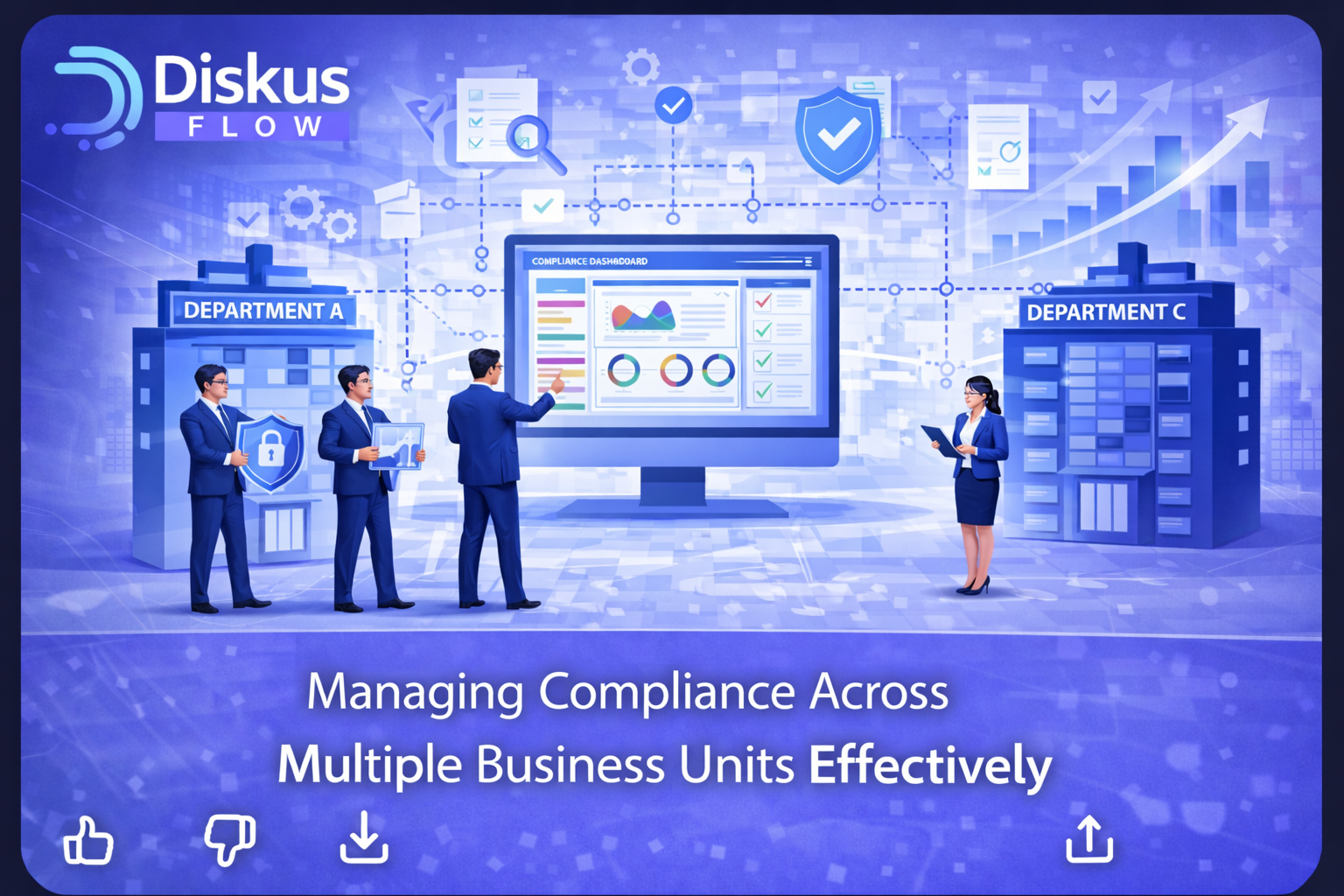
As organizations expand, operational structures often evolve into multi-unit environments where different departments, regions, or subsidiaries operate with varying degrees of autonomy. While this structure supports scalability and specialisation, it introduces significant challenges in maintaining consistent compliance execution. Governance processes that once relied on central oversight must now function across distributed teams with diverse operational priorities.
In earlier growth stages, compliance activities are typically coordinated through centralised leadership or small governance teams. However, as business units multiply, maintaining uniform standards becomes increasingly complex. Differences in workflows, reporting structures, and regulatory exposure create variability in how compliance responsibilities are interpreted and executed.
This is the point at which many enterprises begin evaluating structured solutions such as enterprise compliance workflow software to ensure consistent governance execution across all operational divisions.
Distributed Structures Increase Execution Complexity
Multiple business units often operate under unique regulatory contexts, operational models, and performance objectives. While this diversity supports organisational agility, it can lead to fragmented compliance practices if not supported by structured execution frameworks.
Common Challenges in Multi-Unit Compliance Environments Include:
- Variability in regulatory interpretations across departments
- Inconsistent documentation and evidence management practices
- Limited visibility into compliance performance at the enterprise level
- Difficulty enforcing accountability across geographically dispersed teams
Without a coordinated governance infrastructure, these factors can reduce organisational confidence in compliance outcomes and increase exposure to regulatory risk.
Manual Coordination Limits Enterprise Oversight
Managing compliance across multiple units through manual processes introduces inefficiencies that can affect both operational performance and risk management. Compliance teams often struggle to consolidate reporting, track execution progress, and maintain oversight over distributed governance activities.
Organizations facing these challenges frequently adopt systems aligned with compliance workflow automation software capabilities to integrate compliance tasks into operational workflows. This integration enables more predictable execution coordination and supports centralised visibility while preserving decentralised accountability.
By standardising governance processes, enterprises can maintain consistency without compromising operational flexibility.
Structured Compliance Systems Support Enterprise Alignment
Effective compliance management in multi-unit organizations requires governance systems that balance central oversight with local execution autonomy. Structured execution environments help organizations align regulatory practices while accommodating operational diversity.
Execution-Driven Compliance Frameworks Enable:
- Centralised monitoring of compliance performance across units
- Standardised assignment and tracking of regulatory responsibilities
- Improved coordination between governance and operational teams
- Enhanced audit readiness through systematic evidence management
Within this evolving governance landscape, platforms such as DiskusFlow reflect the broader shift toward integrated compliance execution infrastructures designed for complex enterprise environments.
Leadership Implications in Multi-Unit Governance
For executive teams, managing compliance across multiple business units requires recognising governance execution as a strategic operational capability. Leadership must ensure that compliance infrastructure supports organisational scale while maintaining consistency in regulatory adherence.
Organizations that invest in scalable compliance execution systems are better positioned to maintain stakeholder trust, reduce regulatory exposure, and sustain long-term organisational performance.
Conclusion
Managing compliance across multiple business units introduces execution complexity that cannot be effectively addressed through fragmented governance approaches. By adopting structured compliance execution systems and improving visibility across organisational divisions, enterprises can achieve consistent regulatory performance while supporting operational scalability and resilience.
Share this article on


